Dr. Kazue Togasaki: Serving the Japanese Community From San Francisco to the Concentration Camp

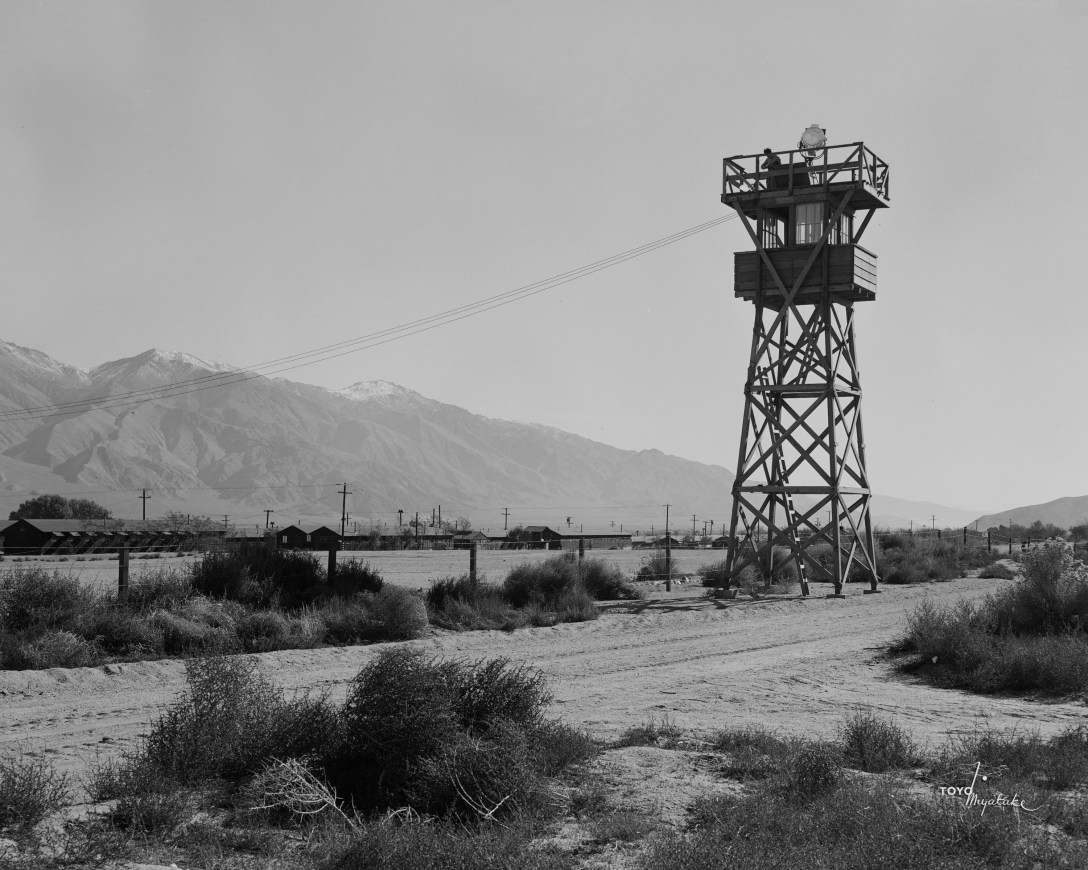
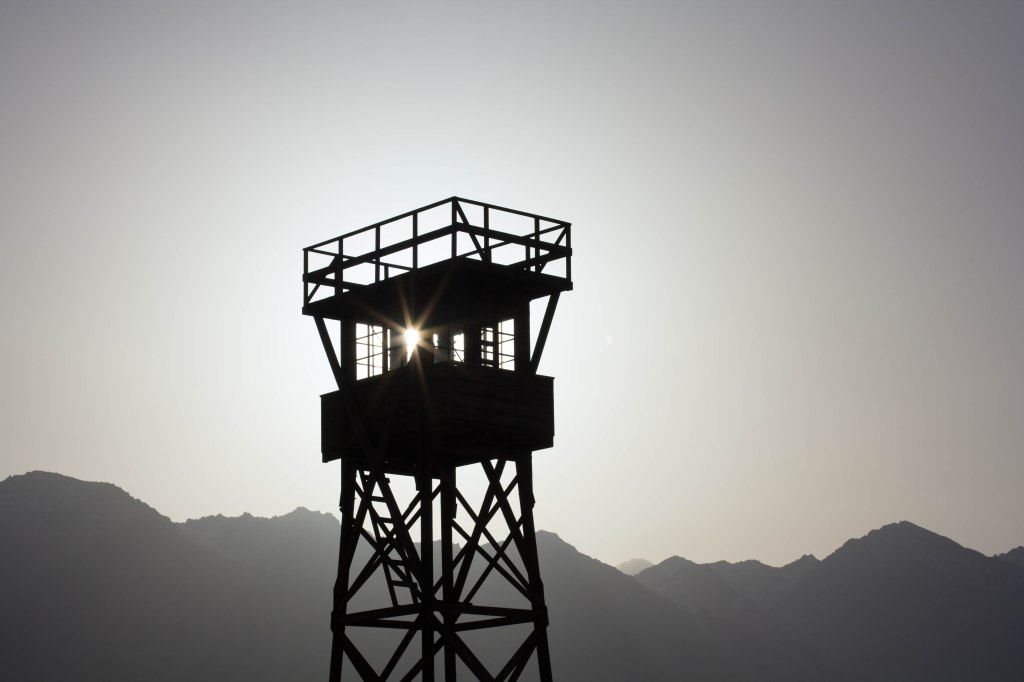
Manzanar sentry tower Photo by Sonora Ortiz. National Register of Historic Places: 76000484. Public domain.

Prologue

The wail of a newborn broke the silence in the plain, crowded room. Dr. Kazue Togasaki finally smiled in relief and wiped sweat off her forehead. This was her second delivery of the day. Fatigue overwhelmed her, but the parents’ shining faces lifted her remaining strength.

As Dr. Togasaki stepped outside, it was not into the busy streets of San Francisco that she was used to. Instead, a desert wind pushed forcefully into her face. Watchtowers with armed guards stood beyond a few logging camps surrounded by barbed wire.

The towers cast their shadows over the camps, reminding the people there that this was not their home, but Manzanar, one of many Japanese concentration camps built on the soil of the United States.

This was a place where freedom was fenced, and human rights were transgressed.

I had the head nurse and the instructor of nurses at Stanford University Hospital and a doctor, all Japanese, working with me at Tanforan [A temporary detention center located in San Francisco for relocating internees to further remote areas.] — Dr. Togasaki [3].

Childhood and Early Years

You might wonder how Dr. Kazue Togasaki, an American citizen and physician, could end up detained and working in a concentration camp. To answer this, we must begin decades earlier. Dr. Kazue Togasaki was born in San Francisco in 1897 to Japanese immigrant parents [1]. Her father, Kikumatsu Togasaki, who first studied law in Japan, came to the US intending to pursue law in America.

However, social barriers prohibited Kikumatsu from practicing law in the United States. Fortunately, after staying in the US for a while, he met a wonderful woman named Shige Kushida, and they later married in Japan. Then, the couple moved back to the US and chose to pursue a small business.

Even though Kikumatsu Togasaki still thought of himself as a lawyer at heart, Shige, raised in a merchant family, taught him how to run a shop. Dr. Kazue Togasaki recalled, “My parents had a little store at 405 Geary that sold Japanese tea and rice and chinaware…Mother was the daughter of a merchant, so she knew how to buy and sell, but my father, a lawyer, not a businessman…” [3]. Over the years, their family grew to nine children; Dr. Togsaki was the second child and the eldest daughter [3].

Despite being born in the US, Dr. Togasaki did not grow up with the same schooling as many “Caucasian” children. In 1906, the city of San Francisco confirmed the “Exclusion Act” that segregated Japanese children to the “Oriental School.”

Dr. Togasaki was moved from school to school more than once [4]. She said, “The first I knew of discrimination was in 1908 when I was caught in the Exclusion Act” [10]. In the same year of 1906, when Kazue Togasaki was nine, catastrophe struck: One of the most devastating earthquakes in California history killed more than 3,000 people, torching the whole city of San Francisco [5].
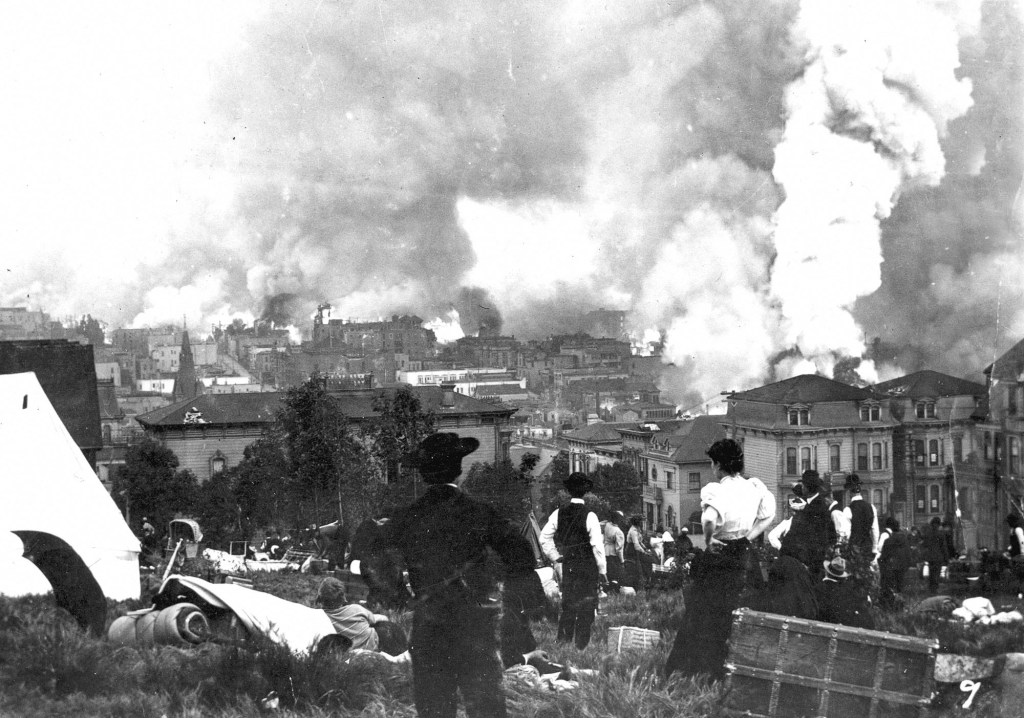
Fire in San Francisco following the great earthquake of 1906. View from Gold Gate Park, Marin County, California. (USGS). 1906. Author George R. Lawrence. Public Domain.

I remember we got dressed and walked from our house to the 14th and Church, where there was a hill, and that afternoon and for two days in the daytime we sat, watching the city burn. — Dr. Togasaki [3].

The 1906 California Earthquake changed Dr. Togasaki’s life as a young girl. She saw the terror of the disaster, but she also saw humanity shine through the lens of medicine. Her parents were devout Christians, and after the earthquake, they turned their Japanese church into a makeshift hospital.

Dr. Kazue Togasaki helped translate Japanese to English for her “patients,” and cared for the wounded along with her mother. She gained first-hand experience in patient care, and the seed of her medical career was planted.

College and Medical School

With the ambition of practicing medicine, Dr. Kazue Togasaki started her academic journey. However, it was not a straight path. During that time, women were still looked down on for attending college, and higher education was seen as men’s business. Asian women were even more prejudiced by society.

Still, Dr. Kazue Togasaki did not let discrimination smother her dream. She first attended Stanford University and earned a bachelor’s degree in Zoology in January 1920. Initially, she planned to become a nurse, so she went on and attended the Children’s Hospital of Nursing and received her Registered Nurse (RN) degree in 1924. While this could have been the time for a young, ambitious Japanese nurse to serve her community, discrimination against women and Japanese Americans stopped her from practicing.

Dr. Togasaki recalled, “They had accepted me in the program, but I still couldn’t work here — the climate in San Francisco was that they just ‘didn’t use’ Japanese nurses; the staff wouldn’t have it.” [3]. Thinking that other related fields might be more welcoming for minorities, she obtained a Public Health degree from the University of California in 1927 [3], and succeeded in working several jobs from 1927 to 1929.

However, what Dr. Togasaki really desired was to work more directly with patients. With the encouragement from her parents, Dr. Kazue Togasaki applied to several medical schools throughout the US. Many medical schools in the 1920s – 1930s still held severe sexist and racist views, so she faced huge difficulties when applying.

Finally, one school broke the norm and accepted her — The Woman’s Medical College of Pennsylvania. At last, Dr. Kazue Togasaki had the chance to study medicine and became a doctor [7, 20]. Dr. Kazue Togasaki graduated from The Woman’s Medical College of Pennsylvania in 1933 and became one of the earliest Japanese-American women to earn an MD degree in the US.
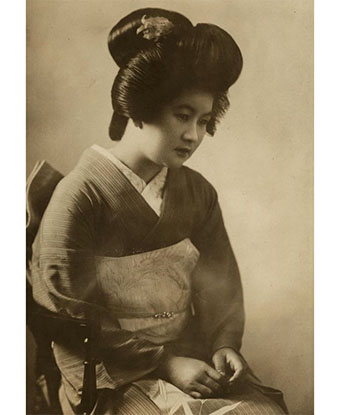
Kazue Togasaki at the Woman’s Medical College of Pennsylvania, January 1, 1933. Drexel University College of Medicine, Archives & Special Collections. Used with permission.

WWII Breaks out

Dr. Togasaki returned to San Francisco and opened a clinic for Japanese patients. She was in the happiest moments of her life, having finally achieved her dream of serving her people as a doctor.

Then, World War II broke out. Warfare in Europe eventually spread worldwide. Making things worse, Japan sided with the Axis Powers along with Nazi Germany and Fascist Italy. Inevitably, tension between Japan and the US began to build.

On a peaceful Sunday morning on December 7th, 1941, the Imperial Japanese Navy launched a surprise attack on Pearl Harbor, Hawaii, starting the war between Japan and the US. This war immediately put Japanese Americans in a difficult position [8]. Many Japanese Americans feared for their future; their loyalty was questioned by people around them and by the US government.

On February 19th, 1942, President Franklin Roosevelt signed Executive Order 9066, ordering the US Army to “remove” all people of Japanese descent to concentration camps on the West Coast, regardless of birth and citizenship.

Within four months, 110,000 people were forced to leave their warm homes and relocate to the freezing California desert [9]. While Dr. Togasaki was running her clinic as an obstetrician, news of the Executive Order hit. She had to abandon her clinic with many of her family members and report to Tanforan.

The concentration camp was officially named the Tanforan Assembly Center. It was a temporary detention facility for Japanese Americans in the San Francisco Bay Area, and was operated by the U.S. Army under director Frank L. Davis. Nearly 8,000 people, the majority of them born in the US, were sent to the Tanforan facility, where they waited to be sent to more remote camps.

Many people could not believe that concentration camps similar to those in Europe were now operating on US soil. People feared for their fate in the unknown future.

The relocation was war hysteria. They had just told us, on such and such a day be ready to leave. They had big buses and you were allowed to take two suitcases, whatever you could carry. — Dr. Togasaki [3].
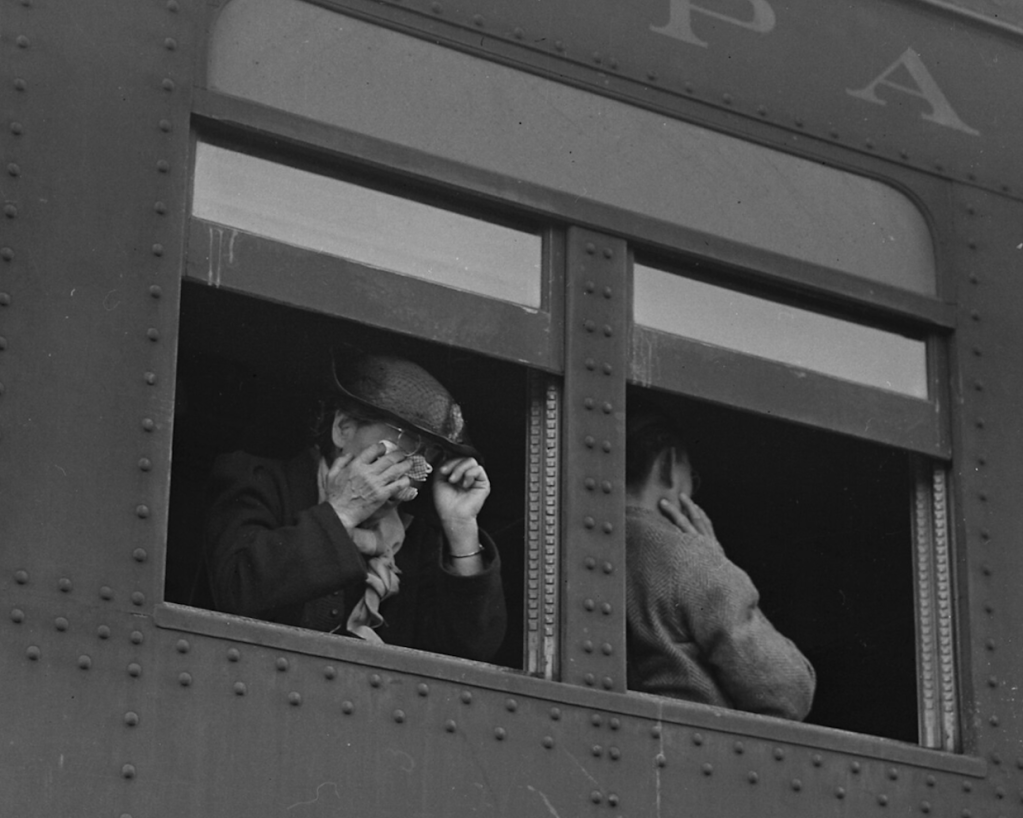
Woodland, Yolo County, California. Ten cars of evacuees of Japanese ancestry are now aboard, and the doors are closed. Department of the Interior. War Relocation Authority. 20 May 1942. Public Domain.

To no one’s surprise, this sudden Executive Order had no real preparation for moving such a large population in a short time. The concentration camps often failed to meet basic needs, as they were located in remote areas with limited supplies. Moreover, the government did not plan to spend any wartime resources on these potential American-born “traitors.”

When people first arrived at the camp, they were asked to pledge loyalty at the front gate of the camp with Army soldiers beside them. Then people were crammed into overcrowded barracks built from uninsulated plywood and tar paper. The harsh winter desert weather distressed its new residents, as the Army guards patrolled the camps behind barbed wire on high watchtowers [11].

To minimize the cost of the camps, only inexpensive foods were supplied to the internees. People were fed on wieners, macaroni, pickled vegetables, and starch. Fresh meat and milk were always in short supply [22]. These poor conditions alarmed many doctors about the risk of epidemic disease outbreaks. Yet, despite the suggestion to provide vaccinations before the mass relocation, fewer than 1% of internees had received a typhoid immunization before arrival.

After receiving repeated concerns from Japanese physicians, the Public Health Department finally decided to deploy Japanese doctors from the camps to provide vaccinations and health screenings. Dr. Kazue Togasaki was one of the Japanese doctors.

When Dr. Togasaki received the order to treat patients in Tanforan Internment Center, she immediately assembled a healthcare team of Japanese doctors and nurses. She even asked to tear off a door so it could be used for delivering babies.

Dr. Togasaki vaccinated new internees, led hygiene inspections, trained healthcare workers at the scene, and went from camp to camp to treat more patients. One report described the conditions when Dr. Togasaki first arrived: “Inmate Dr. Kazue Togasaki lamented the fact that despite the contamination, there was no chlorination available” [13].

The situation in the camps was poor, but everyone worked to improve them. Records show Dr. Togasaki delivered 50 babies in one month alone [9,12]. Because of her compassion and integrity in serving her community under difficult conditions, she was later deployed at six other camps, including Stockton, Tule, Poston, Manzanar, and Topaz. In one of America’s darkest times, we also saw the brightest side of humanity from people like Dr. Kazue Togasaki.

In that month, I delivered 50 babies in the camp. Sometimes I stood behind the doctor and taught him how to deliver. I thought it was my duty. — Dr. Togasaki [3].
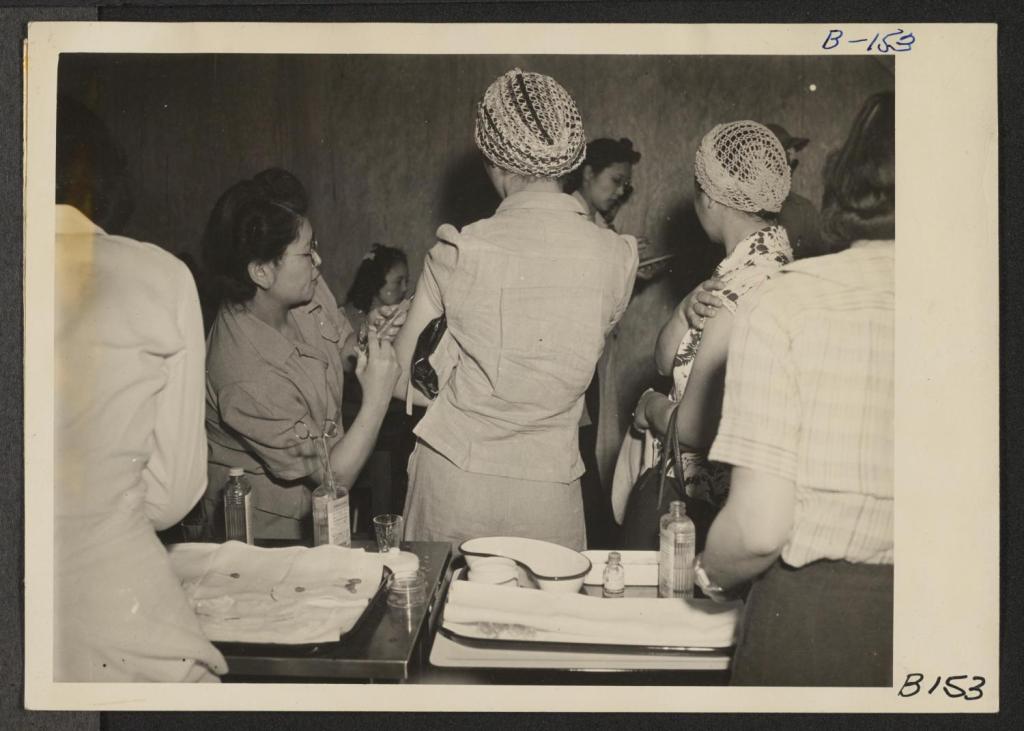
Manzanar, Calif.–Newcomers are vaccinated by evacuee nurses and doctors upon arrival at War Relocation Authority centers for evacuees of Japanese ancestry. Dr. Kazue Togasaki administering vaccines.: Albers. 1942-04-02. Public domain.

Aftermath of World War II

Dr. Togasaki continued to serve her people and her nation until the end of the war despite the unlawful treatment. When Dr. Togasaki and her family were finally released from the concentration camps, what awaited them was not the warm house they had left behind. Like many Japanese people, when they returned to their home in San Francisco, they found it fully ransacked, with nothing valuable left but a chaotic mess.

During the war, it was common for opportunists to burglarize and vandalize homes owned by Japanese Americans and take anything inside as their own. This chaos did not stop Dr. Togasaki from rebuilding her life. She opened a clinic in her neighborhood and became the only Japanese woman practicing medicine in that region [3].

The community was glad to see Dr. Togasaki back home, and her good work earned her a strong reputation among patients of all races. She continued to dedicate her life to obstetrics and gynecology, often caring for underserved patients at no charge, helping unmarried mothers deliver their babies, and housing Japanese immigrants in her own home [1,16].

Despite being mistrusted and mistreated by society throughout her life, Dr. Togasaki treated patients regardless of whether they were American or Japanese, because she saw them equally as human. As a victim of racial and sexist discrimination, Dr. Togasaki is an example for all of us to stop discrimination.

By the time she retired at 75, she had delivered thousands of babies in her whole medical career! After retirement, Dr. Togasaki’s health declined; she fought Alzheimer’s disease and passed away at the ripe age of 95 on December 15, 1992, well-loved by her family and the neighborhood [15,17].

I grew up on Post and Buchanan. What was there is all gone now, but, you see, it’s still near where I grew up. — Dr. Togasaki [3].
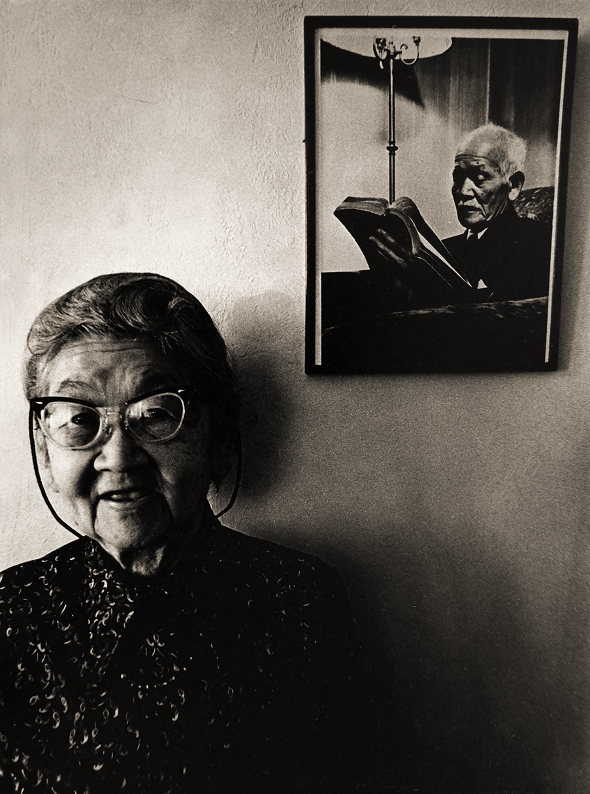
Photo of Dr. Togasaki at the age of 81 in 1978. Author Lenny Limjoco. Central City Extra. Public Domain.

References:

  1. Ware, S. (2004). Notable American Women: A Biographical Dictionary Completing the Twentieth Century. United Kingdom: Belknap Press.
  2. Kazue Togasaki interview on her life in Japanese American relocation centers and her medical career conducted by Sandra Waugh and Eric Leong for the Combined Asian American Resources Project, 1974 may 4. Audio: Kazue Togasaki interview on her life in Japanese American relocation centers and her medical career conducted by Sandra Waugh and Eric Leong for the Combined Asian American Resources Project, 1974 May 4. (n.d.). https://avplayer.lib.berkeley.edu/Audio-Public-CAVPP/(cavpp)cubanc_000329
  3. Pioneering Japanese-American doctor remembers Quake, World War II, her neighborhoods. (n.d.). https://hoodline.com/2015/08/kazue-togasaki-quake-world-war-neighborhoods/
  4. Segregation of Japanese School Kids in San Francisco sparks an international incident – celebrate California. (n.d.). https://celebratecalifornia.library.ca.gov/japanese-segregation/
  5. Casualties and damage after the 1906 earthquake. U.S. Geological Survey. (n.d.). https://earthquake.usgs.gov/earthquakes/events/1906calif/18april/casualties.php
  6. U.S. Department of the Interior. (n.d.). Dr. Kazue Togasaki (U.S. National Park Service). National Parks Service. https://www.nps.gov/people/dr-kazuetogasaki.htm
  7. Admin-Flintriver. (2023, June 8). Dr kazue togasaki. IYASU Vegan Medical Bags. https://iyasubags.com/dr-kazue-togasaki/
  8. Pearl Harbor Attack. (n.d.). https://www.history.navy.mil/browse-by-topic/wars-conflicts-and-operations/world-war-ii/1941/pearl-harbor.html
  9. Nakayama, D. K., & Jensen, G. M. (2011). Professionalism behind barbed wire: health care in World War II Japanese-American concentration camps. Journal of the National Medical Association103(4), 358–363. https://doi.org/10.1016/s0027-9684(15)30317-5
  10. McGOWAN, M. J. (1955, February 28). WOMAN gives view: lessening of race problems told. The San Francisco Examiner.
  11. Our past, their present Japanese internment at Topaz. (n.d.). https://history.utah.gov/wp-content/uploads/2018/11/K12_Japanese-Internment-at-Topaz_OPTP.pdf
  12. Yuko, E. (n.d.). America has a long history of pitting politics against Public Health | Bitch Media. Bitchmedia. https://www.bitchmedia.org/article/american-has-long-history-pitting-politics-against-public-health
  13. Manzanar | Densho Encyclopedia. (n.d.-a). https://encyclopedia.densho.org/Manzanar/
  14. National Archives and Records Administration. (n.d.). National Archives and Records Administration. https://aad.archives.gov/aad/record-detail.jsp?dt=3099&mtch=13&tf=F&q=Togasaki&bc=&rpp=10&pg=1&rid=92515&rlst=92518%2C92511%2C92512%2C92513%2C92514%2C92515%2C92516%2C92517%2C92519%2C92520
  15. Dr Kazue Togasaki (1897-1992) – find a grave… Find a Grave. (n.d.). https://www.findagrave.com/memorial/87599108/kazue-togasaki
  16. Author, Hang Loi, Loi, H., In her 34 years at 3M Company, & posts, V. all. (2025, July 17). Remarkable Asian Pacific American Women in STEM – APAHM. All Together. https://alltogether.swe.org/2023/05/apahm-2023-remarkable-asian-pacific-american-women-in-stem/
  17. 1992 obituary for Kazue Togasaki (starts at bottom of column). Newspapers.com. (1992, December 22). https://www.newspapers.com/article/the-san-francisco-examiner-1992-obituary/102414379/
  18. Mission & History. Tsuru for Solidarity. (2023, December 28). https://tsuruforsolidarity.org/mission-history/
  19. Lei, C. (2025, February 18). Bay Area Japanese Americans draw on WWII trauma to resist deportation threats. KQED. https://www.kqed.org/news/12021919/bay-area-japanese-americans-draw-on-wwii-trauma-resist-deportation-threats
  20. Journal of the American Medical Association. (1889). United States: American Medical Association.
  21. U.S. Department of the Interior. (n.d.). National Park Service: Confinement and ethnicity (Chapter 16). National Parks Service. https://www.nps.gov/parkhistory/online_books/anthropology74/ce16m.htm
  22. U.S. Department of the Interior. (n.d.). Families, food, and dining. National Parks Service. https://www.nps.gov/miin/learn/historyculture/families-food-and-dining.htm

Image Sources:

  1. Miyatake, TM. 1942, Guard Tower 4, Manzanar. Toyo Miyatake Studio. https://www.nps.gov/places/manzanar-icon-of-confinement.htm
  2. Lawrence, GRL. 1906. Fire in San Francisco following the great earthquake of 1906. The Atlantic. https://www.theatlantic.com/photo/2016/04/photos-of-the-1906-san-francisco-earthquake/477750/
  3. Author unknown. 1933. Kazue Togasaki graduated from Woman’s Medical College of Pennsylvania in 1933. Drexel University Libraries: Woman’s Medical College of Pennsylvania Photograph Collection. https://drexel.primo.exlibrisgroup.com/discovery/fulldisplay?context=L&vid=01DRXU_INST:01DRXU&tab=Everything&docid=alma991015136539204721
  4. Lange, DL. 1942. Ten cars of evacuees of Japanese ancestry are now aboard and the doors are closed. Their Caucasian friends and the staff of the Wartime Civil Control Administration stations are watching the departure from the platform. Evacuees are leaving their homes and ranches, in a rich agricultural district, bound for Merced Assembly Center about 125 miles away. U.S. National Archives and Records Administration. https://anchoreditions.com/blog/dorothea-lange-censored-photographs
  5. Clem, AC. 1942. Newcomers are vaccinated by evacuee nurses and doctors upon arrival at War Relocation Authority centers for evacuees of Japanese ancestry. Online Archive of California. https://oac4.cdlib.org/ark:/13030/ft5199n8w8/?order=1&brand=oac4
  6. Limjoco, LL. 1978. Dr. Togasaki during this 1978 Study Center interview. Central City Extra. https://studycenter.org/project/filmore-2/
  7. Ortiz, SO. 2012. A sentry tower, one of the only original structures from Manzanar Internment Camp left standing after the site was dismantled upon its closure. https://npgallery.nps.gov/AssetDetail/NRIS/76000484
Anesthesia: Paving the Way to Modern Surgery

by Nicholas Magnin

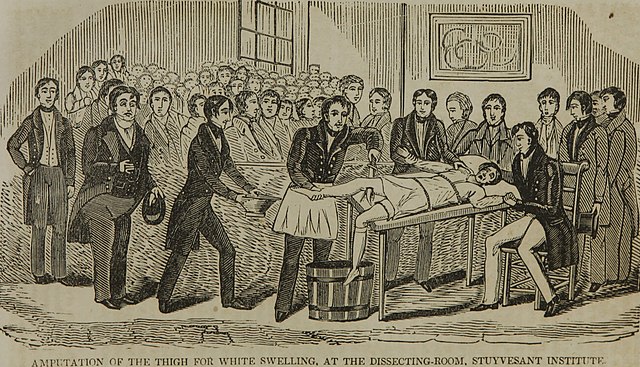
Beach Wooster. Amputation of the Thigh for White Swelling, at the Dissecting Room, Stuyvesant Institute. 1848. Wikimedia Commons. Public domain.

New technology is rapidly progressing. Medicine, in particular, has made significant advancements in recent centuries. The luxury of treating complex medical conditions has contributed to worldwide life expectancies skyrocketing from approximately 30 years old up to 70 years old, more than doubling since the 1800s [1]. Currently, Americans have an average of 9.2 surgeries in their lifetime without painful trauma, thanks to modern medicine [2]. Today, doctors can perform invasive surgical procedures requiring incisions into the skin and, in some cases, the bone without the patient feeling it.

As various fields of medicine developed, pain management during surgery was an enormous hurdle to overcome. Before modern medicine, the patient’s reaction to acute pain directly limited or halted the progress of an operation. In the past, painful surgeries were viewed with horror, and patients had to be restrained as the full agony of the surgical blades piercing their bodies caused them to scream in pain. Frances Burney, who had a breast tumor removed in 1811, testified about her experience, stating, “When the dreadful steel was plunged into the breast—cutting through veins, arteries—flesh—nerves—I needed no injunctions not to restrain my cries. I began a scream that lasted unremittingly during the whole time of the incisors.” Surgeons often became nauseous and sympathized with their patients during the experience [3].

Not surprisingly, painful surgery was considered the last resort after careful consideration of all possible alternatives. Patients were forced to decide between living out their days in discomfort, being euthanized, or enduring the torture of being strapped down and cut open. When surgery was selected, a witness to several operations, James Moore, a medical student at Edinburgh in 1820, described it as “crude, dirty, rapid, bloody, and the last report of desperate doctors” [4]. The test of a good surgeon was the rapid speed used in a procedure, which reduced the use of sterile techniques and led to many mistakes. Unfortunately, early surgeries had close to a 50% mortality rate [5]. Eventually, this fear of the surgeon’s knife was eased by a series of discoveries that developed into one of the most underappreciated aspects of medicine today: anesthesia.

Anesthesia is an advanced method to relieve pain that enables a surgeon to operate on a stable patient without fear of inducing pain-evoked shock in their body. Anesthesia is often referred to as “putting people to sleep,” which is a more accurate description of general anesthesia. Administration of general anesthetics is considerably more complex than simply making the patient unconscious, because anesthesia eliminates the body’s ability to feel pain, move, or form memories [6]. Sedation, a subcategory of general anesthesia, is similar yet less intensive. Under sedation, the body feels no pain and memories cannot form, but the patient is slightly conscious, allowing communication between the patient and surgeon. This semi-sleep state is quite helpful for dental operations, like wisdom teeth removal, enabling the oral surgeon to get feedback from the patient to comfortably adjust their mouth [7]. Less invasive operations use regional and local anesthesia, enabling the patient to remain fully awake. Regional anesthesia can target and numb entire body parts, while local anesthesia precisely pinpoints the numbness to a small area. Numbing specific regions rather than the whole body, is an effective option for minor procedures, such as sutures, or for medical situations where the patient needs to remain awake, such as an epidural during childbirth [7].

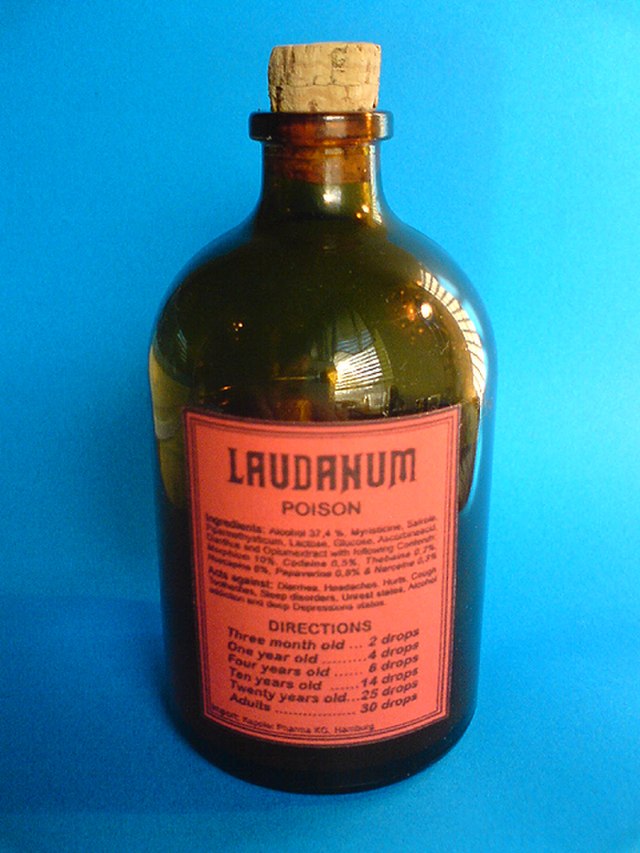
Cydone. Laudanum (Opiumtinktur) 100ml Medizinflasche. Wikimedia. Public Domain

Currently, administration of anesthesia requires precise dosing of medications to reach the desired effect without harmful repercussions on the patient. however, early medical practitioners lacked an understanding of pharmaceutics and pharmacology, resulting in drug concoctions that fell short of entirely eliminating pain. This insufficient dosing produced mild numbing effects through impairment of the whole nervous system. Home remedy sleeping potions such as dwale and laudanum were commonly used to sedate a patient. These potions were prepared by mixing herbs like henbane, belladonna, and opium with alcohol. Because of the variabilities in potency and dosing, the use of dwale and laudanum was considered quite dangerous [8, 9]. An insufficient amount of these concoctions caused the patient to suffer immense pain, and over-dosing could lead to side effects and death. As a solution, early medicine explored alternatives to drug-based pain remedies, beginning with the tourniquet to cut off blood flow to limbs. The tourniquet was successful in the sense that it allowed easier amputations, but its applications were narrowly limited to injuries on the limbs [10]. A second alternative method involved mesmerizing the patients into a tranquil state where their pain receptors would be turned off. Unfortunately for the patient, there was no validity in hypnotizing patients for anesthetic purposes. However, in an era where citizens had minimal ways to scrutinize doctors’ methods, this rumor could only be debunked through first-person experience. Patients agreeing to be mesmerized were essentially tricked into thinking their surgery would be painless, only to quickly realize they had been deceived when they felt the painful effects of their surgery.[11]

In the mid-1850s, the first significant advancement in anesthesia originated in dentistry. While dental problems were not usually life-threatening, dental care improved the quality of life for many individuals. However, as with surgeries, the pain during dental procedures tended to cause people to avoid it. William T. G. Morton was inspired to discover a safe sedation method so patients could undergo required dentistry without intense pain, specifically during tooth removal.[12] Fortunately, the drugs Morton sought already existed. Ether was discovered by Valerius Cordus in 1540, and nitrous oxide was discovered by Joseph Priestley in 1772.[13] These drugs were mainly used for jollification parties and humorous public demonstrations. It wasn’t until Horace Wells, a dentist and Morton’s colleague, noticed that people under the influence of these drugs were feeling little to no pain. In 1845, Wells successfully used nitrous oxide to numb a patient and remove their tooth. However, when he tried to repeat his success in public, his demonstration failed and left the patient screaming in pain.[14]

Morton continued the search for remedies that could provide pain-free dental operations. Nitrous oxide offered satisfactory anesthesia, but Well’s failed attempt to use it convinced Morton to focus on ether. Behind the scenes, Morton successfully used ether to perform a painless dental procedure, which subsequently led Morton to publicly demonstrate a pain-free dental surgery with the use of ether. Thus, the first successful case of general anesthesia was officially presented on October 16th, 1846.[12] Morton was not the first to use this technique, but he received significant recognition because his accomplishment was publicized, and knowledge about ether rapidly spread throughout the medical community.[13] Ether worked, but some doctors like James Young Simpson felt that it was not an ideal anesthesia, because ether had an unpleasant aroma and was dangerously flammable.[15] While Dr. Simpson routinely administered ether, he actively sought a still better alternative.

Sir James Young Simpson (1811-1870) and two friends, having tested chloroform. 1832. Wellcome Library. Public domain.

In his search for surgical pain medication, Dr. Simpson met Lyle Playfair, a Scottish chemist who had trained under the famous German chemist Justus von Leibig.[15] Playfair believed he accidentally created the compound that Simpson desired. Although the exact date is uncertain, a German pharmacist, Moldenhawer, developed chloroform around 1830.[16] In 1847, Simpson first administered a gaseous chloroform to two rabbits, who fell asleep and awoke without adverse effects. The following day, Simpson planned a testing party with a few colleagues. However, before the party began, the group saw the rabbits had died. Undeterred, Simpson and the group self-administered chloroform and safely awoke to note their life-changing discovery.[15] Chloroform did not grow in popularity as expected. It wasn’t until after chloroform was used on Queen Victoria for a C-section delivery that most surgeons recognized it as their anesthesia of choice. In 1858, Queen Victoria described her delivery with chloroform as “delightful beyond measure.”[17] The popularity of chloroform then quickly spread. Between approximately 1865 and 1920, chloroform was used in 80 to 95% of all narcoses performed in the UK and German-speaking countries.”[18]

In the US, chloroform’s popularity grew, as it was increasingly field-tested during the US Civil War. Soon, it was the war’s most popular anesthesia due to its portability and ease of administration. A dose of chloroform was commonly administered to soldiers with gunshot wounds requiring amputations. Contrary to the myth that soldiers were not given any pain remedies, Civil War medical documents stated that “Anesthesia was used in 95% of Civil War surgeries.”[19] The difficulties associated with battlefield surgeries stemmed from improper dosing, a lack of administrative knowledge, and an insufficient supply to meet the high number of patients. A doctor’s Civil War medical handbook[20] advised, “In the first stage, patients experience disorientation, in the second, they experience “excitement” while the third is considered the safest for surgery. The fourth stage is overdose, often resulting in death.” It became evident that many doctors were eyeballing dosages, rather than calculating measurements. Chloroform-related fatalities were rare, so underdosing was likely a much more common issue.[21] Civil War surgeons were pressured to work quickly. Consequently, some patients suffered from pain, requiring them to be immobilized by straps or held down by doctor’s assistants.[20] While chloroform was widely implemented and successful, its functionality remained limited to general anesthesia.

Another commonly used drug during the Civil War was morphine, which was outstanding for relieving post-surgical pain and minor self-healing wounds. Doctors found many war veterans struggling with withdrawal cravings after the administration of this opioid drug, making it evident that morphine is exceptionally addictive.[22] This issue with morphine led Sigmund Freud, the famous neurologist and founder of psychoanalysis, to search for a suitable replacement.[23] The drug Freud was looking for was produced by the coca plant, discovered by indigenous peoples in South America, where they used it for both its energizing and anesthetic properties.[24] People would chew the leaves for energy, but their lips would also go numb. They used the coca plant medically to treat intracranial hematoma, where a head injury leads to inflammation, swelling, and pressure on the brain. To treat the hematoma, the indigenous doctors performed surgery: they drilled a hole in the head to relieve the pressure, quite similar to how this is treated today. An assistant would chew the coca leaves and spit their saliva around the site to alleviate pain during drilling. Following his voyage in 1499 to what is presumed to be Brazil, the Italian explorer Amerigo Vespucci shared what they learned from the South American indigenous peoples about the coca leaf and its properties[23], which led German scientist Dr. Albert Niemann to isolate the active compound in the coca leaf, known as cocaine.[24]

Jules Chéret. Poster for Mariani Tonic Wine. 1894. Wikimedia Commons. Public domain.
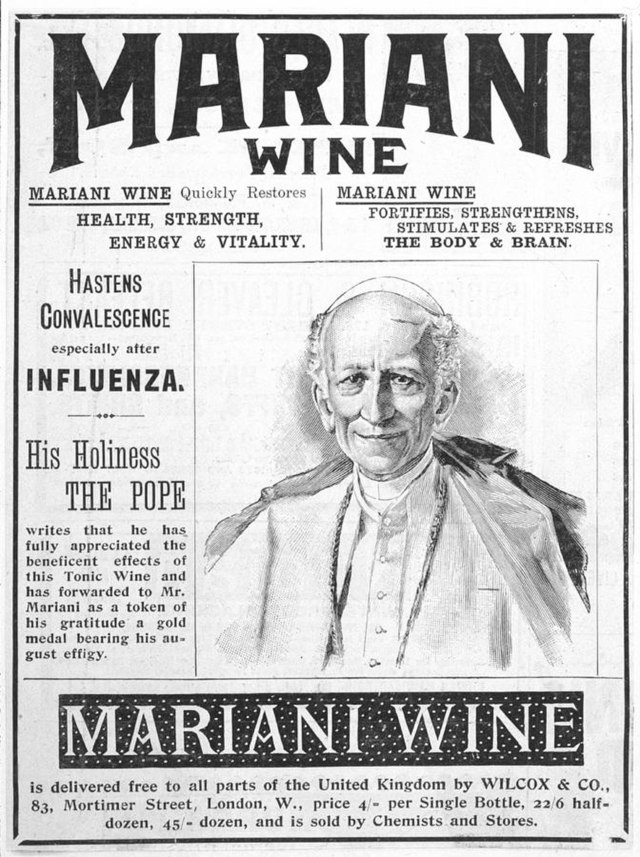
Advertisement of Vin Mariani with Pope Leo XIII. Wikimedia Commons. Public domain.
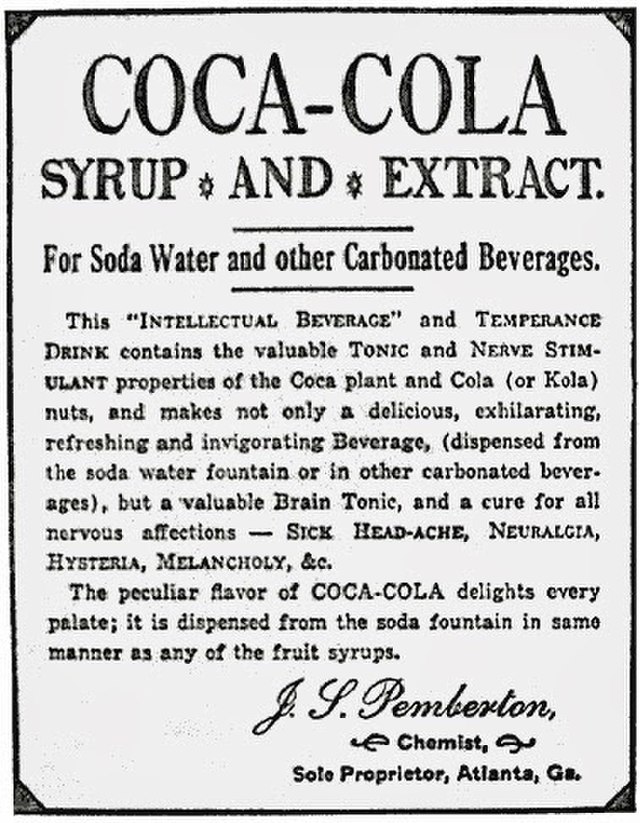
Coca-Cola Advertisement. 1886. Wikimedia Commons. Public domain.

Cocaine produces remarkable focus and energy. Consequently, cocaine was used for recreational amusement before it was used medically. One of cocaine’s most popular uses was invented by a Frenchman, who mixed cocaine with wine to create Vin Mariani, a drink popularized worldwide as being one of the first beverages endorsed by celebrities, such as Pope Leo the 13th.[25] In America, pharmacist and Civil War veteran John Pemberton was a big fan of Vin Mariani, which he used to reduce his dependence on morphine in managing chronic pain from his war wounds. When his county in Georgia banned alcohol, Pemberton sought a non-alcoholic Vin Mariani alternative by mixing cocaine with ground cola nuts. This drink gained popularity in the US, eventually becoming Coca-Cola.[26]

Like Pemberton, Sigmund Freud was trying to find a non-addictive replacement for morphine and recognized the possibilities of cocaine. After Freud tried cocaine, he noticed pain relief effects remarkably similar to morphine and shared this information with his ophthalmologist colleague Carl Koller.[23] Koller applied some drops of liquid cocaine into a frog’s eye, then poked the frog’s eye to judge its reaction to the pain. The numb-eyed frog did not react after it was poked. After retesting on a rabbit and himself, Koller successfully performed the first local anesthetic surgery on September 11th, 1884.[27] Soon, Koller shared the news, and word spread about this discovery across the globe. Because of the loose regulations governing medical experimentation on animals and humans, scientists and doctors wasted no time experimenting with this new drug. After his first successful demonstration of spinal anesthesia for lower limb surgery on a patient on August 24th, 1889, Surgeon August Bier and his surgical assistant August Hildebrandt took turns injecting cocaine into each other’s spines to learn more about cocaine’s effects.[28] They reported that post-injection, they could not feel anything in their lower body, even after flinging cigar ashes onto one another and other insults.[29] The result of this outrageous self-experimentation was the discovery of regional anesthesia. 

The development of different anesthesia types paved the way for fundamental and ground-breaking advances in dentistry, surgery, and other medical interventions. Today, anesthesia is one of the most common medical practices, with over 230,000 people estimated to undergo anesthesia worldwide each year.[30] Anesthesia allowed surgeons to transform their reputation from that of terrorizing butchers to prestigious medical practitioners. These foundational discoveries in anesthesia enables surgeons to perform medical procedures on stable, pain-free patients, revolutionizing surgical practice and its profound potential and boundless possibilities. Anesthesiologists may not always receive substantial credit for their role in a successful surgery, yet this fascinating profession should be credited with one of history’s most impactful medical advancements.

References Cited:

[1] Dattani, S., Rodés-Guirao, L., Ritchie, H., Ortiz-Ospina, E., & Roser, M. (2023). Life Expectancy. OurWorldInData. https://ourworldindata.org/life-expectancy

[2] Lee, P. H. U., & Gawande, A. A. (2008). The number of surgical procedures in an American lifetime in 3 states. Journal of the American College of Surgeons, 207(3, Supplement), S75. https://doi.org/10.1016/j.jamcollsurg.2008.06.186

[3] Booser A. (2021). The Astonishingly Slow Progress Towards Surgical Anesthesia: Part I. Missouri Medicine118(6), 511–517. https://pmc.ncbi.nlm.nih.gov/articles/PMC8672962/

[4] Stanley, P. For Fear of Pain: British Surgery, 1790 – 1850. Rodopi; 2003 (p. 11).

[5] Melin, M. D. (2016). The Industrial Revolution and the Advent of Modern Surgery. Intersect, 9(2), 2-12. https://www.semanticscholar.org/paper/The-Industrial-Revolution-and-the-Advent-of-Modern-Melin/f1812075a27755add8429197340c9140fb8f2d19

[6] Pruthi, S. (2023, February 16). General anesthesia overview. Mayo Clinic. Accessed 4/8/25. https://www.mayoclinic.org/tests-procedures/anesthesia/about/pac-20384568

[7] Akron General. (2023, May 30). Anesthesia overview. Cleveland Clinic. Accessed 4/8/25. https://my.clevelandclinic.org/health/treatments/15286-anesthesia

[8] Carter A. J. (1999). Dwale: an anaesthetic from old England. British Medical Journal (Clinical research ed.)319(7225), 1623–1626. https://doi.org/10.1136/bmj.319.7225.1623

[9] Stefano, G. B., Pilonis, N., Ptacek, R., & Kream, R. M. (2017). Reciprocal Evolution of Opiate Science from Medical and Cultural Perspectives. Medical Science Monitor : International medical journal of experimental and clinical research23, 2890–2896. https://doi.org/10.12659/msm.905167

[10] Gawande, A. (2012). Two Hundred Years of Surgery. The New England Journal of Medicine: 366(18). doi: 10.1056/NEJMra1202392. https://www.nejm.org/doi/full/10.1056/NEJMra1202392

[11] Wright-Mendoza, J. (2018, September 29). The Mystical Practice That Preceded Medical Anesthesia. JSTOR Daily. Accessed 4/8/25. https://daily.jstor.org/the-mystical-practice-that-preceded-medical-anesthesia/

[12] Robinson, D. H., & Toledo, A. H. (2012). Historical development of modern anesthesia. Journal of Investigative Surgery: 25(3), 141–149. https://doi.org/10.3109/08941939.2012.690328

[13] Chaturvedi, R. & Gogna, R. L. (2011, October 22). Ether Day: An Intriguing History. Medical Journal of the Armed Forces of India. Accessed 6/10/25. doi: 10.1016/S0377-1237(11)60098-1

[14] Haridas, R. P. (2013, November). Horace Wells’ Demonstration of Nitrous Oxide in Boston. Anesthesiology 119(5), 1014–1022. Accessed 6/10/2025. https://pubmed.ncbi.nlm.nih.gov/23962967/. doi: 10.1097/ALN.0b013e3182a771ea

[15] Schwarcz, J. (2017, March 20). James Simpson Chloroform Pioneer Took the Pain Away. Office for Science and Society. McGill University. Accessed 6/10/25. https://www.mcgill.ca/oss/article/health-history-science-science-everywhere/joe-schwarcz-james-simpson-chloroform-pioneer-took-pain-away.

[16] Defalque, R. J., & Wright, A. J. (2000, January). Was Chloroform Produced before 1831? Anesthesiology: 92, 290. https://doi.org/10.1097/00000542-200001000-00060

[17] Schwarcz, J. (2022, September 21). Anesthesia a la Reine. Office for Science and Society. McGill University. Accessed 6/10/25. https://www.mcgill.ca/oss/article/medical-history/anesthesia-la-reine

[18] Wawersik J. (1997). Die Geschichte der Chloroformnarkose [History of chloroform anesthesia]. Anaesthesiologie und Reanimation, 22(6), 144–152. https://pubmed.ncbi.nlm.nih.gov/9487785/

[19] Reimer, T. (2017, January 22). Anesthesia in the Civil War. National Museum of Civil War Medicine. Accessed 6/10/25. https://www.civilwarmed.org/anesthesia/

[20] Chisolm, J. J. (1861). A Manual of Military Surgery For The Use Of Surgeons In The Confederate Army. Richmond, VA: West & Johnston. Accessed 6/10/25. https://archive.org/details/manualofmilitarychis/page/n5/mode/2up

[21] Dalton, K. (2020, June 8). Confederate Use of Anesthesia in the Civil War. National Museum of Civil War Medicine. Accessed 6/10/25. https://www.civilwarmed.org/anesthesia-3/

[22] Stefano, G. B., Pilonis, N., Ptacek, R., & Kream, R. M. (2017). Reciprocal Evolution of Opiate Science from Medical and Cultural Perspectives. Medical Science Monitor 23, 2890–2896. https://doi.org/10.12659/msm.905167

[23] Karch, M. D. A Brief History of Cocaine. 2nd ed. Routledge. Boca Raton. 2006. Accessed 6/10/2025. https://research-ebsco-com.libproxy.clemson.edu/c/7j2xc6/search/details/odmnqxcr65?db=e025xna

[24] Biondich, A. S., & Joslin, J. D. (2016). Coca: The History and Medical Significance of an Ancient Andean Tradition. Emergency Medicine International, 2016, 4048764. https://doi.org/10.1155/2016/4048764

[25] Wielenga, V., & Gilchrist, D. (2013). From gold-medal glory to prohibition: the early evolution of cocaine in the United Kingdom and the United States. JRSM short reports4(5), 2042533313478324. https://doi.org/10.1177/2042533313478324

[26] Long, J. (2024). John Pemberton: The Drug-Addled Mind Behind Coca-Cola. History Defined. https://www.historydefined.net/john-pemberton/

[27] Calatayud, J., & González, Á. (2003, June). History of the Development and Evolution of Local Anesthesia Since the Coca Leaf. Anesthesiology, 98, 1503–1508. https://doi.org/10.1097/00000542-200306000-00031

[28] Erjavic, N., August Karl Gustav Bier (1861–1949). Embryo Project Encyclopedia ( 2017-11-15 ).Arizona State University. ISSN: 1940-5030. Accessed 6/10/2025. https://hdl.handle.net/10776/13012

[29] Felton, J. (2021, April 19). The Doctor Who Tested Spinal Anesthesia by Mashing His Assistant’s Testicles and Smashing His Shins With A Hammer. IFLS. Accessed 6/10/2025. https://www.iflscience.com/the-doctor-who-tested-spinal-anesthesia-by-mashing-his-assistants-testicles-and-smashing-his-shins-with-a-hammer-59427

[30] Gottschalk, A., Van Aken, H., Zenz, M., & Standl, T. (2011, July 8). Is Anesthesia Dangerous? NIH, 108(27), 469–474. https://doi.org/10.3238/arztebl.2011.0469

Image Sources:

Beach Wooster. Amputation of the Thigh for White Swelling, at the Dissecting Room, Stuyvesant Institute. The American Practice Condensed, or The Family Physician – Being the scientific system of medicine. JamesM’Alister. New York. 1848. Wikimedia Commons. No known copyright. https://commons.wikimedia.org/wiki/File:The_American_practice_condensed,_or_The_family_physician_-_being_the_scientific_system_of_medicine_(1848)_(14592439200).jpg,

Cydone. Laudanum (Opiumtinktur) 100ml Medizinflasche. 2008. Wikimedia Commons. Public domain. https://commons.wikimedia.org/wiki/File:Laudanum_poison_100ml_flasche.jpg

Unknown Artist. Sir James Young Simpson (1811-1870) and two friends, having tested chloroform. 1832. Reference: WT/D/1/20/1/26/81. Wellcome Library, London. Public domain/No known copyright. https://wellcomecollection.org/works/uudw76sp/items

Unknown Artist. Advertisement of Vin Mariani with Pope Leo XIII. Uploaded by Ich. Wikimedia Commons. https://commons.wikimedia.org/wiki/File:Mariani_pope.jpg

Jules Chéret. Poster for Mariani Tonic Wine. 1894. Uploaded by Magnus Manske. Modified by Soerfm. Wikimedia Commons. Public domain. https://commons.wikimedia.org/wiki/File:Vin_mariani_publicite156.jpg

Unknown Artist. Coca-Cola Advertisement. 1886. Uploaded by Vladan Kzmvic. Wikimedia Commons. Public domain. https://commons.wikimedia.org/wiki/File:Coca-Cola_Advertisement.jpg