Anesthesia: Paving the Way to Modern Surgery

by Nicholas Magnin

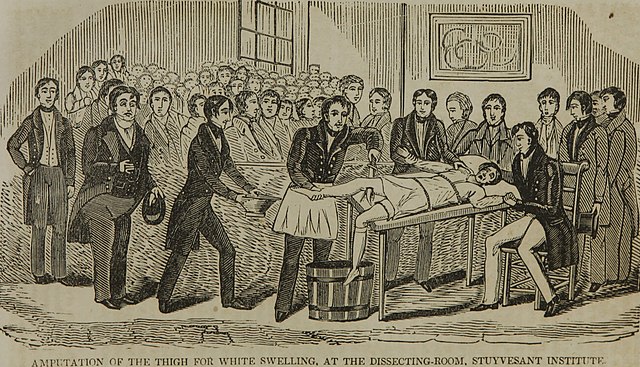
Beach Wooster. Amputation of the Thigh for White Swelling, at the Dissecting Room, Stuyvesant Institute. 1848. Wikimedia Commons. Public domain.

New technology is rapidly progressing. Medicine, in particular, has made significant advancements in recent centuries. The luxury of treating complex medical conditions has contributed to worldwide life expectancies skyrocketing from approximately 30 years old up to 70 years old, more than doubling since the 1800s [1]. Currently, Americans have an average of 9.2 surgeries in their lifetime without painful trauma, thanks to modern medicine [2]. Today, doctors can perform invasive surgical procedures requiring incisions into the skin and, in some cases, the bone without the patient feeling it.

As various fields of medicine developed, pain management during surgery was an enormous hurdle to overcome. Before modern medicine, the patient’s reaction to acute pain directly limited or halted the progress of an operation. In the past, painful surgeries were viewed with horror, and patients had to be restrained as the full agony of the surgical blades piercing their bodies caused them to scream in pain. Frances Burney, who had a breast tumor removed in 1811, testified about her experience, stating, “When the dreadful steel was plunged into the breast—cutting through veins, arteries—flesh—nerves—I needed no injunctions not to restrain my cries. I began a scream that lasted unremittingly during the whole time of the incisors.” Surgeons often became nauseous and sympathized with their patients during the experience [3].

Not surprisingly, painful surgery was considered the last resort after careful consideration of all possible alternatives. Patients were forced to decide between living out their days in discomfort, being euthanized, or enduring the torture of being strapped down and cut open. When surgery was selected, a witness to several operations, James Moore, a medical student at Edinburgh in 1820, described it as “crude, dirty, rapid, bloody, and the last report of desperate doctors” [4]. The test of a good surgeon was the rapid speed used in a procedure, which reduced the use of sterile techniques and led to many mistakes. Unfortunately, early surgeries had close to a 50% mortality rate [5]. Eventually, this fear of the surgeon’s knife was eased by a series of discoveries that developed into one of the most underappreciated aspects of medicine today: anesthesia.

Anesthesia is an advanced method to relieve pain that enables a surgeon to operate on a stable patient without fear of inducing pain-evoked shock in their body. Anesthesia is often referred to as “putting people to sleep,” which is a more accurate description of general anesthesia. Administration of general anesthetics is considerably more complex than simply making the patient unconscious, because anesthesia eliminates the body’s ability to feel pain, move, or form memories [6]. Sedation, a subcategory of general anesthesia, is similar yet less intensive. Under sedation, the body feels no pain and memories cannot form, but the patient is slightly conscious, allowing communication between the patient and surgeon. This semi-sleep state is quite helpful for dental operations, like wisdom teeth removal, enabling the oral surgeon to get feedback from the patient to comfortably adjust their mouth [7]. Less invasive operations use regional and local anesthesia, enabling the patient to remain fully awake. Regional anesthesia can target and numb entire body parts, while local anesthesia precisely pinpoints the numbness to a small area. Numbing specific regions rather than the whole body, is an effective option for minor procedures, such as sutures, or for medical situations where the patient needs to remain awake, such as an epidural during childbirth [7].

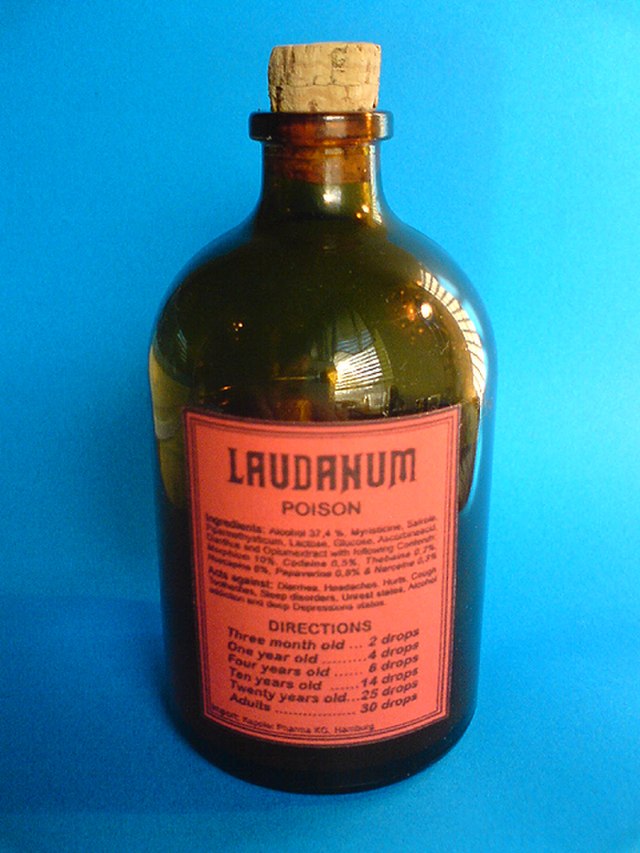
Cydone. Laudanum (Opiumtinktur) 100ml Medizinflasche. Wikimedia. Public Domain

Currently, administration of anesthesia requires precise dosing of medications to reach the desired effect without harmful repercussions on the patient. however, early medical practitioners lacked an understanding of pharmaceutics and pharmacology, resulting in drug concoctions that fell short of entirely eliminating pain. This insufficient dosing produced mild numbing effects through impairment of the whole nervous system. Home remedy sleeping potions such as dwale and laudanum were commonly used to sedate a patient. These potions were prepared by mixing herbs like henbane, belladonna, and opium with alcohol. Because of the variabilities in potency and dosing, the use of dwale and laudanum was considered quite dangerous [8, 9]. An insufficient amount of these concoctions caused the patient to suffer immense pain, and over-dosing could lead to side effects and death. As a solution, early medicine explored alternatives to drug-based pain remedies, beginning with the tourniquet to cut off blood flow to limbs. The tourniquet was successful in the sense that it allowed easier amputations, but its applications were narrowly limited to injuries on the limbs [10]. A second alternative method involved mesmerizing the patients into a tranquil state where their pain receptors would be turned off. Unfortunately for the patient, there was no validity in hypnotizing patients for anesthetic purposes. However, in an era where citizens had minimal ways to scrutinize doctors’ methods, this rumor could only be debunked through first-person experience. Patients agreeing to be mesmerized were essentially tricked into thinking their surgery would be painless, only to quickly realize they had been deceived when they felt the painful effects of their surgery.[11]

In the mid-1850s, the first significant advancement in anesthesia originated in dentistry. While dental problems were not usually life-threatening, dental care improved the quality of life for many individuals. However, as with surgeries, the pain during dental procedures tended to cause people to avoid it. William T. G. Morton was inspired to discover a safe sedation method so patients could undergo required dentistry without intense pain, specifically during tooth removal.[12] Fortunately, the drugs Morton sought already existed. Ether was discovered by Valerius Cordus in 1540, and nitrous oxide was discovered by Joseph Priestley in 1772.[13] These drugs were mainly used for jollification parties and humorous public demonstrations. It wasn’t until Horace Wells, a dentist and Morton’s colleague, noticed that people under the influence of these drugs were feeling little to no pain. In 1845, Wells successfully used nitrous oxide to numb a patient and remove their tooth. However, when he tried to repeat his success in public, his demonstration failed and left the patient screaming in pain.[14]

Morton continued the search for remedies that could provide pain-free dental operations. Nitrous oxide offered satisfactory anesthesia, but Well’s failed attempt to use it convinced Morton to focus on ether. Behind the scenes, Morton successfully used ether to perform a painless dental procedure, which subsequently led Morton to publicly demonstrate a pain-free dental surgery with the use of ether. Thus, the first successful case of general anesthesia was officially presented on October 16th, 1846.[12] Morton was not the first to use this technique, but he received significant recognition because his accomplishment was publicized, and knowledge about ether rapidly spread throughout the medical community.[13] Ether worked, but some doctors like James Young Simpson felt that it was not an ideal anesthesia, because ether had an unpleasant aroma and was dangerously flammable.[15] While Dr. Simpson routinely administered ether, he actively sought a still better alternative.

Sir James Young Simpson (1811-1870) and two friends, having tested chloroform. 1832. Wellcome Library. Public domain.

In his search for surgical pain medication, Dr. Simpson met Lyle Playfair, a Scottish chemist who had trained under the famous German chemist Justus von Leibig.[15] Playfair believed he accidentally created the compound that Simpson desired. Although the exact date is uncertain, a German pharmacist, Moldenhawer, developed chloroform around 1830.[16] In 1847, Simpson first administered a gaseous chloroform to two rabbits, who fell asleep and awoke without adverse effects. The following day, Simpson planned a testing party with a few colleagues. However, before the party began, the group saw the rabbits had died. Undeterred, Simpson and the group self-administered chloroform and safely awoke to note their life-changing discovery.[15] Chloroform did not grow in popularity as expected. It wasn’t until after chloroform was used on Queen Victoria for a C-section delivery that most surgeons recognized it as their anesthesia of choice. In 1858, Queen Victoria described her delivery with chloroform as “delightful beyond measure.”[17] The popularity of chloroform then quickly spread. Between approximately 1865 and 1920, chloroform was used in 80 to 95% of all narcoses performed in the UK and German-speaking countries.”[18]

In the US, chloroform’s popularity grew, as it was increasingly field-tested during the US Civil War. Soon, it was the war’s most popular anesthesia due to its portability and ease of administration. A dose of chloroform was commonly administered to soldiers with gunshot wounds requiring amputations. Contrary to the myth that soldiers were not given any pain remedies, Civil War medical documents stated that “Anesthesia was used in 95% of Civil War surgeries.”[19] The difficulties associated with battlefield surgeries stemmed from improper dosing, a lack of administrative knowledge, and an insufficient supply to meet the high number of patients. A doctor’s Civil War medical handbook[20] advised, “In the first stage, patients experience disorientation, in the second, they experience “excitement” while the third is considered the safest for surgery. The fourth stage is overdose, often resulting in death.” It became evident that many doctors were eyeballing dosages, rather than calculating measurements. Chloroform-related fatalities were rare, so underdosing was likely a much more common issue.[21] Civil War surgeons were pressured to work quickly. Consequently, some patients suffered from pain, requiring them to be immobilized by straps or held down by doctor’s assistants.[20] While chloroform was widely implemented and successful, its functionality remained limited to general anesthesia.

Another commonly used drug during the Civil War was morphine, which was outstanding for relieving post-surgical pain and minor self-healing wounds. Doctors found many war veterans struggling with withdrawal cravings after the administration of this opioid drug, making it evident that morphine is exceptionally addictive.[22] This issue with morphine led Sigmund Freud, the famous neurologist and founder of psychoanalysis, to search for a suitable replacement.[23] The drug Freud was looking for was produced by the coca plant, discovered by indigenous peoples in South America, where they used it for both its energizing and anesthetic properties.[24] People would chew the leaves for energy, but their lips would also go numb. They used the coca plant medically to treat intracranial hematoma, where a head injury leads to inflammation, swelling, and pressure on the brain. To treat the hematoma, the indigenous doctors performed surgery: they drilled a hole in the head to relieve the pressure, quite similar to how this is treated today. An assistant would chew the coca leaves and spit their saliva around the site to alleviate pain during drilling. Following his voyage in 1499 to what is presumed to be Brazil, the Italian explorer Amerigo Vespucci shared what they learned from the South American indigenous peoples about the coca leaf and its properties[23], which led German scientist Dr. Albert Niemann to isolate the active compound in the coca leaf, known as cocaine.[24]

Jules Chéret. Poster for Mariani Tonic Wine. 1894. Wikimedia Commons. Public domain.
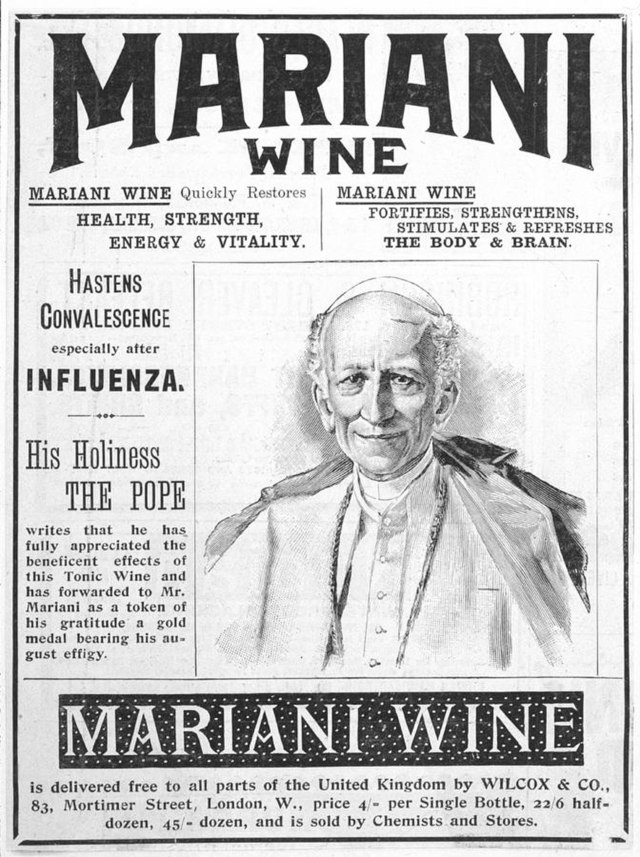
Advertisement of Vin Mariani with Pope Leo XIII. Wikimedia Commons. Public domain.
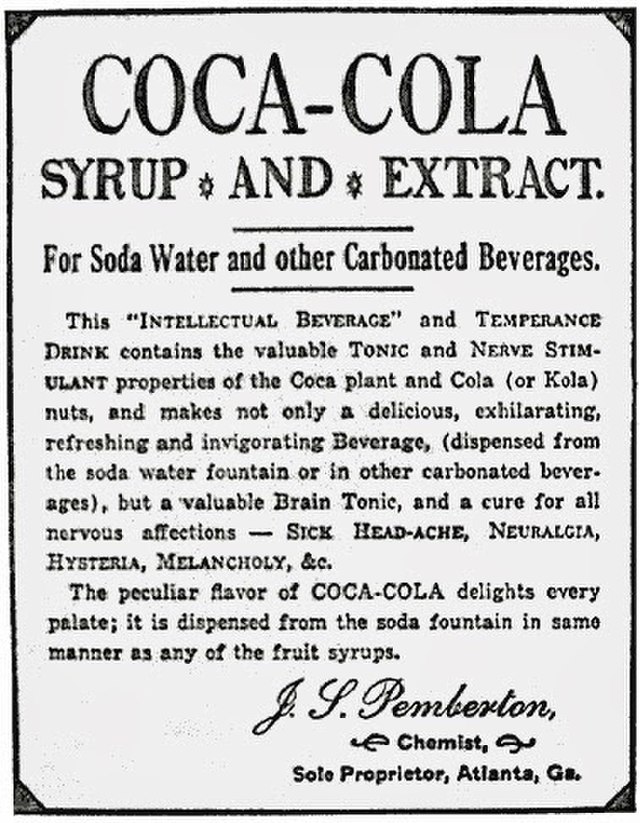
Coca-Cola Advertisement. 1886. Wikimedia Commons. Public domain.

Cocaine produces remarkable focus and energy. Consequently, cocaine was used for recreational amusement before it was used medically. One of cocaine’s most popular uses was invented by a Frenchman, who mixed cocaine with wine to create Vin Mariani, a drink popularized worldwide as being one of the first beverages endorsed by celebrities, such as Pope Leo the 13th.[25] In America, pharmacist and Civil War veteran John Pemberton was a big fan of Vin Mariani, which he used to reduce his dependence on morphine in managing chronic pain from his war wounds. When his county in Georgia banned alcohol, Pemberton sought a non-alcoholic Vin Mariani alternative by mixing cocaine with ground cola nuts. This drink gained popularity in the US, eventually becoming Coca-Cola.[26]

Like Pemberton, Sigmund Freud was trying to find a non-addictive replacement for morphine and recognized the possibilities of cocaine. After Freud tried cocaine, he noticed pain relief effects remarkably similar to morphine and shared this information with his ophthalmologist colleague Carl Koller.[23] Koller applied some drops of liquid cocaine into a frog’s eye, then poked the frog’s eye to judge its reaction to the pain. The numb-eyed frog did not react after it was poked. After retesting on a rabbit and himself, Koller successfully performed the first local anesthetic surgery on September 11th, 1884.[27] Soon, Koller shared the news, and word spread about this discovery across the globe. Because of the loose regulations governing medical experimentation on animals and humans, scientists and doctors wasted no time experimenting with this new drug. After his first successful demonstration of spinal anesthesia for lower limb surgery on a patient on August 24th, 1889, Surgeon August Bier and his surgical assistant August Hildebrandt took turns injecting cocaine into each other’s spines to learn more about cocaine’s effects.[28] They reported that post-injection, they could not feel anything in their lower body, even after flinging cigar ashes onto one another and other insults.[29] The result of this outrageous self-experimentation was the discovery of regional anesthesia. 

The development of different anesthesia types paved the way for fundamental and ground-breaking advances in dentistry, surgery, and other medical interventions. Today, anesthesia is one of the most common medical practices, with over 230,000 people estimated to undergo anesthesia worldwide each year.[30] Anesthesia allowed surgeons to transform their reputation from that of terrorizing butchers to prestigious medical practitioners. These foundational discoveries in anesthesia enables surgeons to perform medical procedures on stable, pain-free patients, revolutionizing surgical practice and its profound potential and boundless possibilities. Anesthesiologists may not always receive substantial credit for their role in a successful surgery, yet this fascinating profession should be credited with one of history’s most impactful medical advancements.

References Cited:

[1] Dattani, S., Rodés-Guirao, L., Ritchie, H., Ortiz-Ospina, E., & Roser, M. (2023). Life Expectancy. OurWorldInData. https://ourworldindata.org/life-expectancy

[2] Lee, P. H. U., & Gawande, A. A. (2008). The number of surgical procedures in an American lifetime in 3 states. Journal of the American College of Surgeons, 207(3, Supplement), S75. https://doi.org/10.1016/j.jamcollsurg.2008.06.186

[3] Booser A. (2021). The Astonishingly Slow Progress Towards Surgical Anesthesia: Part I. Missouri Medicine118(6), 511–517. https://pmc.ncbi.nlm.nih.gov/articles/PMC8672962/

[4] Stanley, P. For Fear of Pain: British Surgery, 1790 – 1850. Rodopi; 2003 (p. 11).

[5] Melin, M. D. (2016). The Industrial Revolution and the Advent of Modern Surgery. Intersect, 9(2), 2-12. https://www.semanticscholar.org/paper/The-Industrial-Revolution-and-the-Advent-of-Modern-Melin/f1812075a27755add8429197340c9140fb8f2d19

[6] Pruthi, S. (2023, February 16). General anesthesia overview. Mayo Clinic. Accessed 4/8/25. https://www.mayoclinic.org/tests-procedures/anesthesia/about/pac-20384568

[7] Akron General. (2023, May 30). Anesthesia overview. Cleveland Clinic. Accessed 4/8/25. https://my.clevelandclinic.org/health/treatments/15286-anesthesia

[8] Carter A. J. (1999). Dwale: an anaesthetic from old England. British Medical Journal (Clinical research ed.)319(7225), 1623–1626. https://doi.org/10.1136/bmj.319.7225.1623

[9] Stefano, G. B., Pilonis, N., Ptacek, R., & Kream, R. M. (2017). Reciprocal Evolution of Opiate Science from Medical and Cultural Perspectives. Medical Science Monitor : International medical journal of experimental and clinical research23, 2890–2896. https://doi.org/10.12659/msm.905167

[10] Gawande, A. (2012). Two Hundred Years of Surgery. The New England Journal of Medicine: 366(18). doi: 10.1056/NEJMra1202392. https://www.nejm.org/doi/full/10.1056/NEJMra1202392

[11] Wright-Mendoza, J. (2018, September 29). The Mystical Practice That Preceded Medical Anesthesia. JSTOR Daily. Accessed 4/8/25. https://daily.jstor.org/the-mystical-practice-that-preceded-medical-anesthesia/

[12] Robinson, D. H., & Toledo, A. H. (2012). Historical development of modern anesthesia. Journal of Investigative Surgery: 25(3), 141–149. https://doi.org/10.3109/08941939.2012.690328

[13] Chaturvedi, R. & Gogna, R. L. (2011, October 22). Ether Day: An Intriguing History. Medical Journal of the Armed Forces of India. Accessed 6/10/25. doi: 10.1016/S0377-1237(11)60098-1

[14] Haridas, R. P. (2013, November). Horace Wells’ Demonstration of Nitrous Oxide in Boston. Anesthesiology 119(5), 1014–1022. Accessed 6/10/2025. https://pubmed.ncbi.nlm.nih.gov/23962967/. doi: 10.1097/ALN.0b013e3182a771ea

[15] Schwarcz, J. (2017, March 20). James Simpson Chloroform Pioneer Took the Pain Away. Office for Science and Society. McGill University. Accessed 6/10/25. https://www.mcgill.ca/oss/article/health-history-science-science-everywhere/joe-schwarcz-james-simpson-chloroform-pioneer-took-pain-away.

[16] Defalque, R. J., & Wright, A. J. (2000, January). Was Chloroform Produced before 1831? Anesthesiology: 92, 290. https://doi.org/10.1097/00000542-200001000-00060

[17] Schwarcz, J. (2022, September 21). Anesthesia a la Reine. Office for Science and Society. McGill University. Accessed 6/10/25. https://www.mcgill.ca/oss/article/medical-history/anesthesia-la-reine

[18] Wawersik J. (1997). Die Geschichte der Chloroformnarkose [History of chloroform anesthesia]. Anaesthesiologie und Reanimation, 22(6), 144–152. https://pubmed.ncbi.nlm.nih.gov/9487785/

[19] Reimer, T. (2017, January 22). Anesthesia in the Civil War. National Museum of Civil War Medicine. Accessed 6/10/25. https://www.civilwarmed.org/anesthesia/

[20] Chisolm, J. J. (1861). A Manual of Military Surgery For The Use Of Surgeons In The Confederate Army. Richmond, VA: West & Johnston. Accessed 6/10/25. https://archive.org/details/manualofmilitarychis/page/n5/mode/2up

[21] Dalton, K. (2020, June 8). Confederate Use of Anesthesia in the Civil War. National Museum of Civil War Medicine. Accessed 6/10/25. https://www.civilwarmed.org/anesthesia-3/

[22] Stefano, G. B., Pilonis, N., Ptacek, R., & Kream, R. M. (2017). Reciprocal Evolution of Opiate Science from Medical and Cultural Perspectives. Medical Science Monitor 23, 2890–2896. https://doi.org/10.12659/msm.905167

[23] Karch, M. D. A Brief History of Cocaine. 2nd ed. Routledge. Boca Raton. 2006. Accessed 6/10/2025. https://research-ebsco-com.libproxy.clemson.edu/c/7j2xc6/search/details/odmnqxcr65?db=e025xna

[24] Biondich, A. S., & Joslin, J. D. (2016). Coca: The History and Medical Significance of an Ancient Andean Tradition. Emergency Medicine International, 2016, 4048764. https://doi.org/10.1155/2016/4048764

[25] Wielenga, V., & Gilchrist, D. (2013). From gold-medal glory to prohibition: the early evolution of cocaine in the United Kingdom and the United States. JRSM short reports4(5), 2042533313478324. https://doi.org/10.1177/2042533313478324

[26] Long, J. (2024). John Pemberton: The Drug-Addled Mind Behind Coca-Cola. History Defined. https://www.historydefined.net/john-pemberton/

[27] Calatayud, J., & González, Á. (2003, June). History of the Development and Evolution of Local Anesthesia Since the Coca Leaf. Anesthesiology, 98, 1503–1508. https://doi.org/10.1097/00000542-200306000-00031

[28] Erjavic, N., August Karl Gustav Bier (1861–1949). Embryo Project Encyclopedia ( 2017-11-15 ).Arizona State University. ISSN: 1940-5030. Accessed 6/10/2025. https://hdl.handle.net/10776/13012

[29] Felton, J. (2021, April 19). The Doctor Who Tested Spinal Anesthesia by Mashing His Assistant’s Testicles and Smashing His Shins With A Hammer. IFLS. Accessed 6/10/2025. https://www.iflscience.com/the-doctor-who-tested-spinal-anesthesia-by-mashing-his-assistants-testicles-and-smashing-his-shins-with-a-hammer-59427

[30] Gottschalk, A., Van Aken, H., Zenz, M., & Standl, T. (2011, July 8). Is Anesthesia Dangerous? NIH, 108(27), 469–474. https://doi.org/10.3238/arztebl.2011.0469

Image Sources:

Beach Wooster. Amputation of the Thigh for White Swelling, at the Dissecting Room, Stuyvesant Institute. The American Practice Condensed, or The Family Physician – Being the scientific system of medicine. JamesM’Alister. New York. 1848. Wikimedia Commons. No known copyright. https://commons.wikimedia.org/wiki/File:The_American_practice_condensed,_or_The_family_physician_-_being_the_scientific_system_of_medicine_(1848)_(14592439200).jpg,

Cydone. Laudanum (Opiumtinktur) 100ml Medizinflasche. 2008. Wikimedia Commons. Public domain. https://commons.wikimedia.org/wiki/File:Laudanum_poison_100ml_flasche.jpg

Unknown Artist. Sir James Young Simpson (1811-1870) and two friends, having tested chloroform. 1832. Reference: WT/D/1/20/1/26/81. Wellcome Library, London. Public domain/No known copyright. https://wellcomecollection.org/works/uudw76sp/items

Unknown Artist. Advertisement of Vin Mariani with Pope Leo XIII. Uploaded by Ich. Wikimedia Commons. https://commons.wikimedia.org/wiki/File:Mariani_pope.jpg

Jules Chéret. Poster for Mariani Tonic Wine. 1894. Uploaded by Magnus Manske. Modified by Soerfm. Wikimedia Commons. Public domain. https://commons.wikimedia.org/wiki/File:Vin_mariani_publicite156.jpg

Unknown Artist. Coca-Cola Advertisement. 1886. Uploaded by Vladan Kzmvic. Wikimedia Commons. Public domain. https://commons.wikimedia.org/wiki/File:Coca-Cola_Advertisement.jpg

Beyond the Clock

By Anna Mossing

A Sign From God. Illustration generated by DALL-E 3 prompted by S. Perquin. Wikimedia Commons. https://commons.wikimedia.org/wiki/File:A_sign_from_God.png

Isolation stems from a feeling of disconnect, where a physical or emotional distance is often observed. Yet, what about a rhythmic separation?

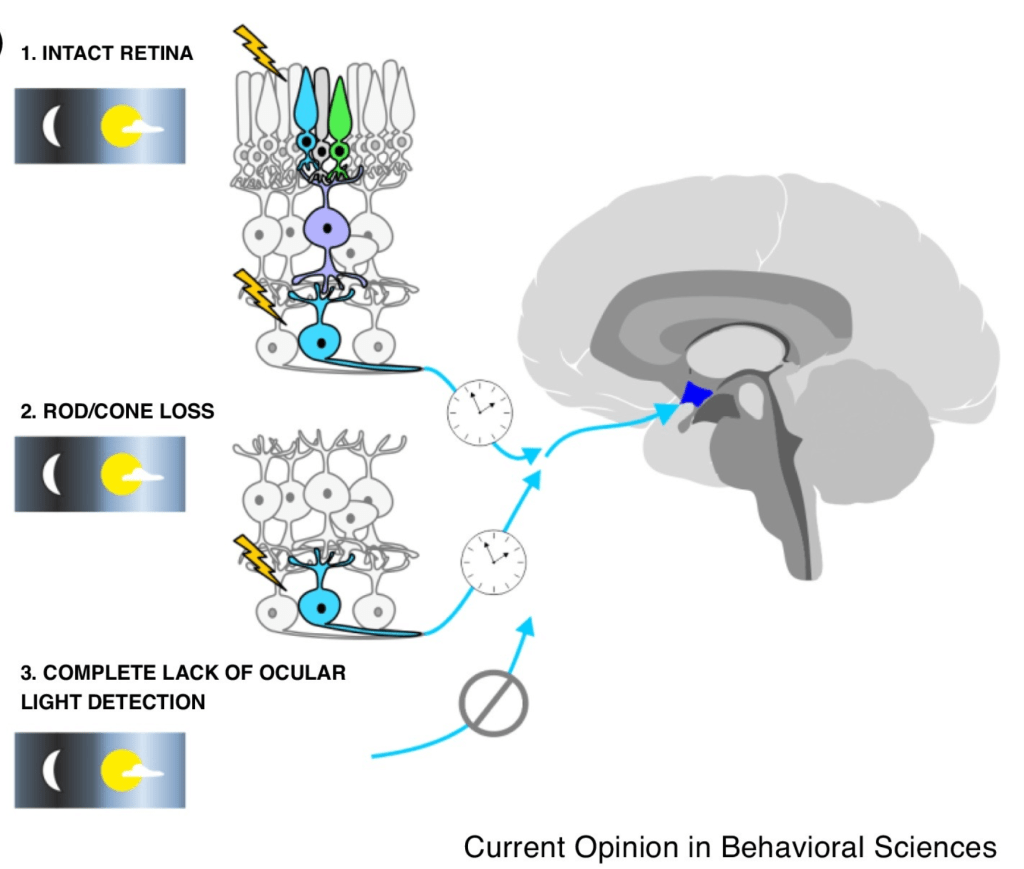
How do you feel when daylight savings occurs? Or when you deplane from a cross-country red-eye flight? The human body is governed by a circadian rhythm. When your internal clock is skewed due to time changes, you will typically feel disconnected from the rest of the world. A simple solution to calibrate your circadian rhythm is exposure to sunlight. For example, if sunlight isn’t available during a dark Alaskan winter, alternative technologies like light boxes can deliver light at approximately the same wavelengths as sunlight. What if someone is blind and has a complete lack of light detection in their eyes? Neither sunlight nor alternative light therapies would re-set their circadian clock. 80% of blind individuals report sleep disturbance, and over half of totally blind individuals experience a condition called Non-24-Hour Sleep-Wake Disorder, aka “Non-24.”1 This sleep disorder causes a chronic separation from a regular 24-hour circadian rhythm, and isolates the individual from friends, family, and society.1

Allen, A. E. (2019). Circadian rhythms in the blind. Current opinion in behavioral sciences30, 73-79.

A circadian rhythm is naturally aligned with the Earth’s 24-hour cycle of day and night. The primary cue for synchronizing this rhythm is light, especially sunlight.3 When light hits the retina, it sends signals to the suprachiasmatic nucleus in the brain, which is the master regulator of the circadian rhythm.3 When there is no ocular light detection, no signal is sent and the body cannot synchronize with the day/night schedule.

In 1977, a 28 year-old blind post-graduate student, J.X., struggled to maintain a typical schedule in alignment with his academic and leisure activities.2 Frustrated, and looking for a solution, he set regulated meal and bedtime routines, took stimulant medications, and kept a sleep journal.2 The sleep journal seemed to suggest that he was set on a circadian rhythm longer than 24 hours. To find a solution to this imbalance, Miles entered a medical study. He was encouraged to eat, work, and sleep intuitively, and his alertness, performance, temperature, pulse, and respiration were continuously monitored over a period of 26 days.2

Miles was diagnosed with Non-24 and a 24.9-hour sleep-wake cycle.2 By living according to his own intuitive schedule during the study, Miles did not suffer from excessive tiredness during the day or insomnia at night.2 He felt normal for the for the first time in years. However, his intuitive schedule puts him at odds with the rest of the world.

The second part of the study was specified as an entrainment attempt.2 Miles was scheduled for regimented times of eating, working, and sleeping based on a 24-hour circadian rhythm.2 As weeks progressed with these constraints, he became increasingly restless at night and observably exhausted during the day. Throughout both parts of the sleep study, Miles’ cortisol levels were measured.2 When his cortisol levels were compared to a typical 24-hour circadian rhythm, they seemed sporadic. However, his cortisol levels were a perfect match to a 24.9-hour cycle.2

The best solution for Miles’ well-being was to stick to a 24.9-hour cycle, but his circadian rhythm wasn’t in line with the rest of the world. This created a “scheduling” dilemma for Miles. He had to choose between his own health, and his career advancements and relationships. Navigating this dilemma would impact Miles’ overall quality of life, as he had to choose between quality opportunities and quality health.

Since Non-24 affects a range of people with different backgrounds, ages, and lifestyles, people use a range of methods to manage this disorder and combat its effects. Some use schedule regulation as their primary mode of management, while others use medication.2 Miles coped with his Non 24 through a technique called “free running,” in which he allowed his body to maintain a 24.9-hour cycle.2 While this might decrease his career opportunities and cause tension in friendships, he chose to protect his physical well-being.

(a) Typical sleep-wake schedule. (b) Free running sleep-wake schedule. Allen, A. E. (2019). Circadian rhythms in the blind. Current opinion in behavioral sciences30, 73-79.

Mindy, a 60 year-old woman, was born with impaired vision and lost all ocular light detection by the age of 10.8 Once she completely lost light detection, she began struggling with maintaining a regular sleep schedule.8 Eventually she had to stop working due to chronic exhaustion.8 Before being diagnosed with Non-24, Mindy felt hopeless and out of touch with her body.8 Despite being interested in and excited for different events, she missed concerts, lectures, and social gatherings due to her exhaustion or suffered anxiety about falling asleep at events.8 When Mindy was finally diagnosed with Non-24, she experienced hope after years of disappointment. “When I finally got the diagnosis, I couldn’t have been happier. I felt lighter. I felt as though tons of bricks had been lifted off my shoulders, and I felt free. I came home from the doctor feeling like someone had finally heard me,” said Mindy.8 Knowing she has Non-24, Mindy now feels more aware of her body, explaining a new sense of control, “If I am aware then I can plan accordingly.”8

“When I finally got the diagnosis, I couldn’t have been happier… I came home from the doctor feeling like someone had finally heard me.”

As diagnoses of Non-24 became more common, one pharmaceutical company started researching treatments. Between 2010 and 2012, Vanda Pharmaceuticals developed Hetlioz (Tasimelteon) to treat Non-24.4 However, the drug was controversial in practice. During the development of Hetlioz, volunteers dropped out of several clinical trials.4 The drug had a modest success rate, only 29% improvement as compared to 13% in the placebo group.4 Many people have had mixed feelings and experiences with this drug, with some commenting on WebMD reviews. One of these commenters, Ted, was part of a clinical trial for Hetlioz.5 While on the medication, Ted struggled for several nights with nightmares and sleep paralysis, and he also developed urinary tract infections.5 When Ted contacted Vanda Pharmaceuticals about these side effects, he felt they were evasive with their answers and not empathetic.5 Ianto, another reviewer, was prescribed Hetlioz by his doctor.5 Like Ted, Ianto also faced disturbing and vivid dreams.5 He reported that while on Hetlioz, “I slept 12 hours – but it was not good sleep. I sleep 8 hours normally. I simply could not get out of bed, even after waking up at 6, 8, and 10 hours. I was beyond exhausted.”5 In both of these cases, taking Hetlioz amplified the burdens of Non-24 instead of alleviating them. Although Hetlioz was initially approved in 2014, the drug was recently recalled in early 2024 on the grounds of mislabeling, a lack of evidence for long-term efficacy, and the lack of subjective patient reported data in the clinical studies.7

Amid this backlash, other patients on WebMD reviews have reported life-changing effects with Hetlioz. Metalones, a 40 year-old mother, experienced both personal and social benefits after beginning Hetlioz, explaining “I was finally able to experience what it was like to be ‘normal’ and not be looked down on for being ‘irresponsible or lazy’.”5 She began homeschooling her daughter and making appointments earlier in the day to take care of herself and family, something she wasn’t able to do before, due to excessive exhaustion.5 When Hetlioz was recalled, Metalones’ insurance no longer covered the cost.5 With an out-of-pocket cost of approximately $19,000 per month, or $228,000 a year,6 Metalones couldn’t afford to pay for Hetlioz herself, so she had to stop taking it.5 Without Hetlioz, Metalones reported regression in her mental well-being, stating, “I’ve spiraled back down into severe depression and anxiety and stay in bed most of the day, because I’m too exhausted and apathetic to get up and do anything. I’m a shell of the person I used to be.”5

The misalignment of the external world with one’s internal rhythm in people with Non-24 introduces and reinforces an intense disconnect that must be bridged. Personalized approaches to manage Non-24, like free running and adjusted schedules, promise hope to some patients. However, successful deployment of these strategies depend greatly on the understanding and support of family and colleagues. Hetlioz has the potential to help, yet its benefits are diminished by the negative side effects, high cost, and lack of access. There are currently no other drugs approved for the treatment of Non-24, so more accessible treatments and improved technologies need to be developed in order to find an effective and sustainable solution. Management of Non-24 should not fall on the shoulders of patients alone. We all have a responsibility to develop a greater awareness of and accommodate those struggling with Non-24, so that this chronic separation from day and night does not cause a chronic separation from the world.

References

  1. Non-24-Hour Sleep-Wake Disorder. National Organization for Rare Disorders. (2023, November 20). https://rarediseases.org/rare-diseases/non-24-hour-sleep-wake-disorder/
  2. L. E. M. Miles et al., Blind Man Living in Normal Society Has Circadian Rhythms of 24.9 Hours. Science 198, 421-423 (1977). DOI:10.1126/science.910139
  3. Şahin, Z., Kalkan, Ö. F., & Aktas, O. (2022). How Does the Circadian Rhythm Function in Blind People Who Have No Light Perception?. Hipokrat Tıp Dergisi2(2), 38-46.
  4. Lockley, S. W., Dressman, M. A., Licamele, L., Xiao, C., Fisher, D. M., Flynn-Evans, E. E., … & Polymeropoulos, M. H. (2015). Tasimelteon for non-24-hour sleep–wake disorder in totally blind people (SET and RESET): two multicentre, randomised, double-masked, placebo-controlled phase 3 trials. The Lancet386(10005), 1754-1764.
  5. WebMD. (n.d.). Hetlioz oral reviews and user ratings: Effectiveness, ease of use, and satisfaction. WebMD. https://reviews.webmd.com/drugs/drugreview-165884-hetlioz-oral
  6. Tasimelteon Prices, Coupons, Copay Cards & Patient Assistance. Drugs.com. https://www.drugs.com/price-guide/tasimelteon
  7. The Food and Drug Administration. (2024, June 7). Federal Register :: Proposal to refuse to approve a new drug application supplement for hetlioz (tasimelteon); opportunity for a hearing. Federal Register. https://www.federalregister.gov/documents/2024/06/07/2024-12564/proposal-to-refuse-to-approve-a-new-drug-application-supplement-for-hetlioz-tasimelteon-opportunity
  8. Non-24-Hour Sleep-Wake Disorder. (2012, June 7). Living With Circadian Sleep Condition: Non-24-Hour Disorder. YouTube. https://www.youtube.com/watch?v=CqBaY8577cQ

Health in the Rio Grande Valley

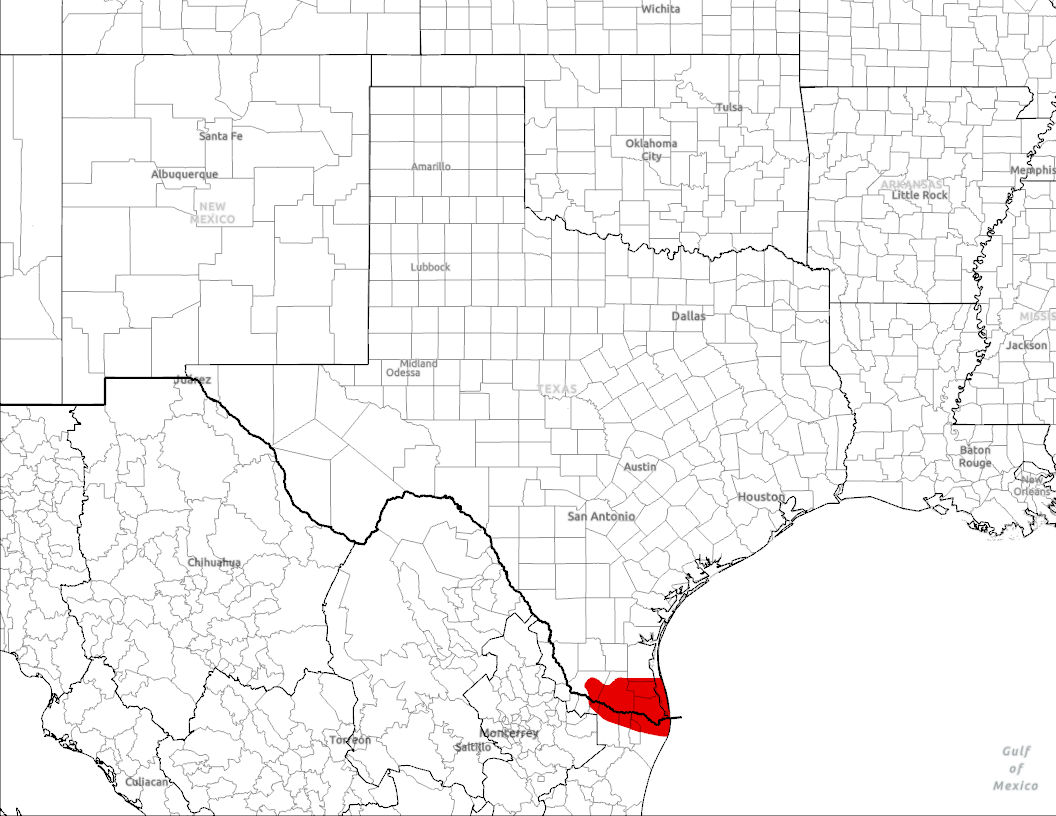
By Jmjosh90 – Own work, CC BY-SA 4.0, https://commons.wikimedia.org/w/index.php?curid=83933420

At the southernmost tip of Texas, there is a sunny and humid area called the Rio Grande Valley (aka the Valley), which is made up of Starr, Hidalgo, Willacy, and Cameron counties. Originally, the Valley was a prosperous agricultural center in the 1970s due to irrigation and railroads.1 Even today, South Padre Island brings many tourists and industry to the region to enjoy the Gulf of Mexico. Hispanic Texans “play a crucial role in the region’s labor force,” making up approximately 90% of the population, with a 10% increase in population size over the last ten years.5

Unfortunately, in the past several decades, the poverty rates began to climb, and the Valley is now “the poorest urban area in Texas.”1

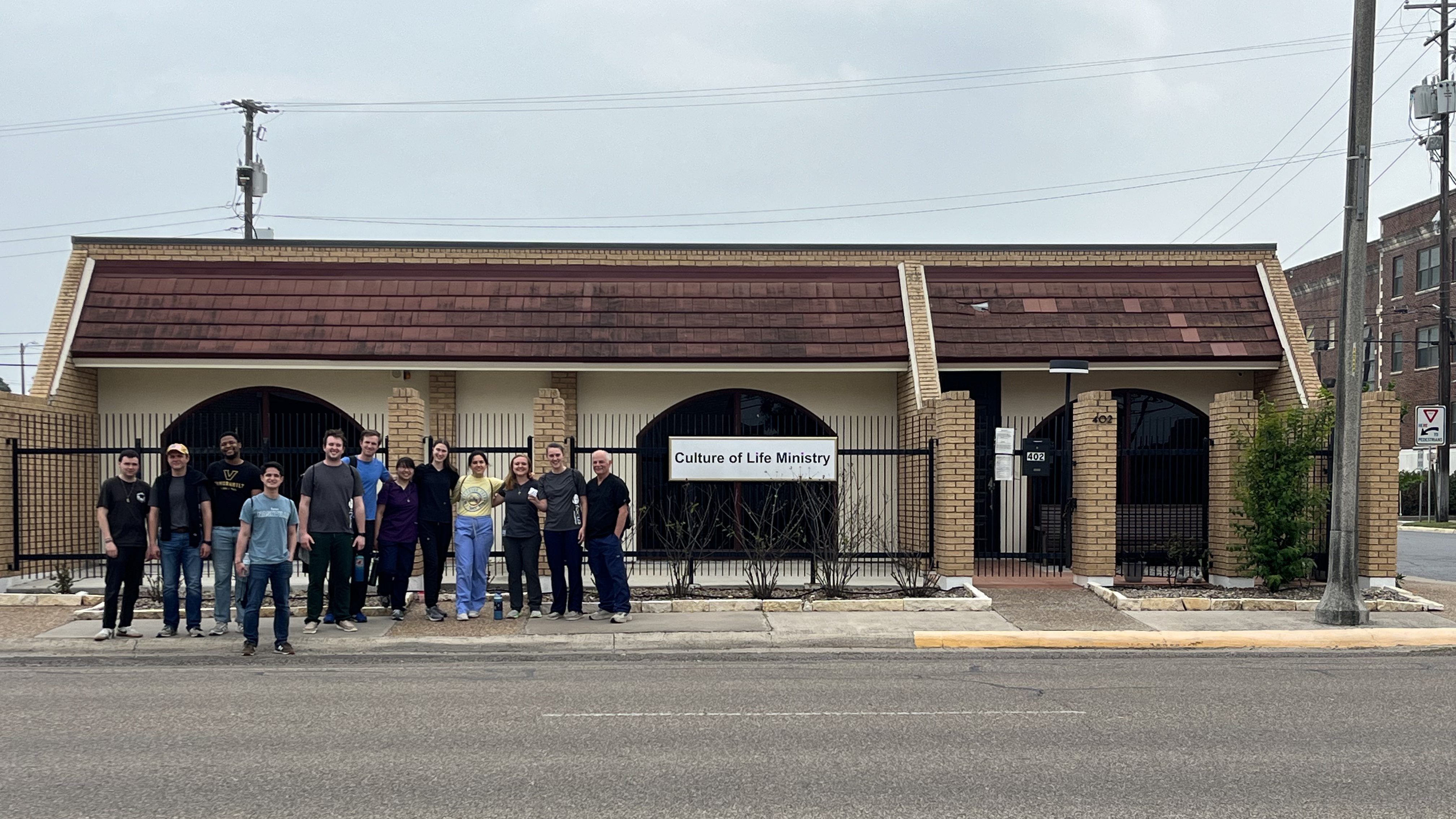
It is the first day of my medical mission trip, and I am nervous but incredibly excited to work for a week in a free clinic in Harlingen, Texas, a mere 20 minutes from the US-Mexico border. There are 14 of us who flew in from around the country, including doctors, some graduate students, and mostly pre-health college students–each bringing a different skill set to our mission in the Valley. Most of us meet for the first time at the airport, and we spend the rest of the day in a state of jetlag, getting to know each other while unpacking, stocking up on food, and preparing our makeshift sleeping space in a small church across the street from the clinic. We go to bed, excited to meet Dr. Robinson and jump into our work the next morning.

It is 7:30 in the morning when we walk across the street to the clinic. I am surprised to see that there is already a line of ten people waiting for the clinic to open at 8 am. I notice that, despite the Valley’s large Hispanic population, the patients in line are a mix of several different ethnicities. The waiting patients are cheerful, chatting with each other and some saying hello to us as we head to the volunteer entrance. After meeting Dr. Robinson, he and two other volunteers give us a quick tour of the moderately-sized clinic. I was expecting a small doctor’s office, with a few patient rooms and reception. However, I was surprised to see that, despite the narrow hallways and small rooms, the modest clinic was well-equipped with a lab, wound clinic, women’s health wing, ultrasound room, endoscopy room, and three or four general patient rooms, all tucked into the building in an orderly fashion.

Dr. Stephen Robinson, MD, founded the Culture of Life Ministries clinic in Harlingen, Texas, 14 years ago. Wanting to do something about prevalent chronic health conditions like diabetes in the Valley, Dr. Robinson started the clinic as a pop-up out of his car. The pop-up has since bloomed into a freestanding clinic in what was formerly an old law firm. As their website states, the clinic provides “free health services” to all in need and provides a comprehensive list of the services they can provide, from ultrasounds to endoscopies. The clinic runs entirely on the goodwill of private donors and donations from any capable of giving that are placed in the small collection box outside the front door.

The clinic is run by volunteers, and so many different visiting missions will come and work in the clinic throughout the year. Because of this, Dr. Robinson had no problem with efficiently organizing our large group into individual roles. I am stationed in the lab, aiding in blood draws and collecting specimens. Given the line of people waiting outside when we arrived, we had a steady stream of patients all morning. Despite working as fast as we could, the lab orders kept piling up, and we had to turn two people away from receiving bloodwork. Later in the morning, I was moved from the lab to do waiting-room hospitality. I watched in frustration as the administrator came into the waiting room and explained to the two patients why they could not be seen. I thought, “If only I had worked faster that morning,” and, “Why don’t we just squeeze them in??” But I realized that a high volume of patients is common at the clinic, and so they often have to turn away people who have been waiting all morning or afternoon.

There are many people who need access to affordable healthcare in the Valley. Several counties in the Valley are designated by the Bureau of Primary Health Care as Medically Underserved Areas (MUAs), also known as “healthcare deserts,” which are areas in which healthcare needs are not met, either due to inadequate access or due to a lack of quality provided care. These healthcare deserts are caused by many other factors. One partial cause of this in the Valley is the recent rapid population growth of the area, which has strained the healthcare resources available.2 Over the last ten years, there has been a significant increase in population size.5 Transportation is a huge issue among people in the Valley, with many families lacking reliable transportation to medical facilities. Due to the low income average in individuals and households, approximately one-third of the inhabitants are uninsured, and many providers in the area do not treat uninsured patients.3 While the uninsured could use the ER for routine medical visits without insurance, for the Hispanic majority in the area, this could potentially put undocumented family members at risk of deportation. Therefore, there is a lack of trust in the healthcare providers. The lack of access and lack of trust, when added to the other factors hindering healthcare access, lead to a population with very poor health. Obesity and diabetes rates in the Valley are higher than the Texas average and significantly higher than the national US average.4 During the COVID-19 pandemic, the Valley also had a significantly higher number of COVID-19 fatalities compared to other Texas counties.1  

Going into this trip, I was concerned about navigating language barriers. I didn’t know Spanish, and I knew a large part of the population did not speak English. While working in the lab, there were several times when we had to ask a translator on staff to explain a protocol to a patient. For example, there were several Spanish-speaking patients who did not know they were supposed to drink water before getting their blood drawn. Because they spoke little English and we spoke little Spanish, we had to ask Ernie, an administrator, to communicate this to ensure that the patient got the correct information. Beyond this, only one student in our volunteer group knew Spanish proficiently, and he was translating for most of our time in the clinic that week.

Language barriers are a frequently encountered barrier to providing healthcare in the Valley. Hispanic Texans “play a crucial role in the region’s labor force,” making up approximately 90% of the population.5 Even if a healthcare provider is relatively competent in Spanish, cultural communication barriers could erode the trust between provider and patient. For example, if a physician addresses a patient in the informal “tú” instead of the formal “usted” that is used as a sign of respect, this could lead the patient to feel belittled or not listened to.6 Thus, you have a strained doctor-patient relationship that could contribute to lower-quality patient care. To avoid this situation, many hospitals and clinics have taken the initiative to provide interpreters for Spanish and other languages. For example, the Harlingen clinic had many Spanish-speaking care providers, and all the doctors were fluent. Likewise, Driscoll Children’s Hospital in the Valley has several interpreters on staff, and it states on its website, “Understanding every aspect of medical care isn’t a luxury—it’s a right.”7

Looking back on my time in Harlingen, I had some very different expectations than what I found to be true. I went into the trip expecting to be working at a pop-up clinic and serving mostly first generation migrants, but I ended up in a well-stocked and established clinic, aiding middle to lower class patients who have lived in the area for decades or moved from another part of the United States. This challenged my assumptions about healthcare outreach and the type of person who needs free healthcare. With the rise in insurance costs and a lack of clinics in the area, many patients above the poverty line still regularly access care from free clinics.

By Noelle Shorter

References

1. Blackburn, C. C., & Sierra, L. A. (2021). Anti-immigrant rhetoric, deteriorating health access,  and COVID-19 in the Rio Grande Valley, Texas. Health security, 19(S1), S-50.

2. U.S.-Mexico Border Region Communities. MHP Salud. (2024, April 1). https://mhpsalud.org/who-we-serve/us-mexico-border-region/#:~:text=Access%20to%20Care&text=Further%2C%20many%20of%20the%20counties,Bureau%20of%20Primary%20Health%20Care.&text=And%20even%20if%20more%20health,much%20as%20the%20entire%20state.&text=Long%20distances%2C%20transportation%20problems%20and,short%20of%20comparable%20national%20averages.&text=As%20a%20result%2C%20many%20residents,across%20the%20border%20in%20Mexico.&text=The%20close%20proximity%20enables%20residents,visited%20a%20doctor%20in%20Mexico. 

3. Torres, S. (2018). Health Care Access in the Rio Grande Valley: The Specialty Care Challenge. Edinburg, Texas.

4. Castañeda, H. (2017). Is coverage enough? Persistent health disparities in marginalised Latino border communities. Journal of Ethnic and Migration Studies, 43(12), 2003–2019. https://doi.org/10.1080/1369183X.2017.1323448

5. Power of the purse: Contributions of Hispanic Americans in the Rio Grande Valley. American Immigration Council. (2024, October 8). https://www.americanimmigrationcouncil.org/research/contributions-hispanic-americans-rio-grande-valley 

6. Melo, M. A. (2011). Access to healthcare for “undocumented citizens” in the Rio Grande Valley (Order No. 1494854). Available from ProQuest Dissertations & Theses Global. (875791587). http://libproxy.clemson.edu/login?url=https://www.proquest.com/dissertations-theses/access-healthcare-undocumented-citizens-rio/docview/875791587/se-27. Interpretation Services. Driscoll Children’s Hospital. (2024, January 23). https://driscollchildrens.org/patients/services/interpretation-services/